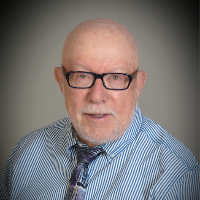
About James
Dr. James Kowalski is a licensed counselor with three decades of experience helping people through hard times. He practices as an LMHC and brings a calm, direct approach to conversations about stress, anxiety, addiction, grief, and depression.
His sessions are warm and interactive. He uses practical tools from cognitive-behavioral and client-centered approaches, along with mindfulness and motivational interviewing. The goal is to build everyday skills you can use between meetings.
Background and approach
He has long experience supporting people with substance use concerns and anger management challenges, and he has worked with older adults on aging and caregiver stress. He also helps people facing life transitions such as divorce, cancer, hospice and end-of-life issues, and feelings of isolation or emptiness. Dr.
Kowalski tailors conversations and plans to each person’s needs. He focuses on clear steps - changing unhelpful thinking, practicing new responses, and setting realistic goals. Sessions are meant to be practical and grounded in daily life.
He is licensed as an LCMHC in North Carolina and an LMHC in Florida and practices from West Virginia. He speaks English and draws on 30 years of experience to guide a steady, respectful process toward better coping and clearer purpose.
Therapeutic approaches for online care
Dr. Kowalski draws on cognitive-behavioral therapy and Acceptance and Commitment Therapy to guide online sessions. CBT focuses on identifying and changing unhelpful thoughts and behaviors, which helps with anxiety, depression, and stress-related problems. ACT encourages people to clarify personal values and take small committed actions toward those values, which can be useful for grief, chronic stress, and persistent patterns that keep someone stuck.He also uses client-centered techniques to create respectful, listener-led conversations. That means the therapist seeks to understand your goals and combines approaches based on what you say works for you. Finding the right mix is a collaborative process and adjustments are made as needs and preferences become clearer.
Online formats include video calls, phone sessions, live chat, and text-based messaging. Video works well when visual connection and interaction matter. Phone sessions can be simpler when bandwidth is limited. Live chat and messaging are useful for brief check-ins, quick skills practice, or when writing helps you reflect. These options offer flexibility to fit therapy into work, caregiving, or medical schedules while using the therapeutic approaches described above.
Frequently asked questions
What kinds of concerns can be addressed here?
What is the therapist's usual approach in sessions?
How much experience does the therapist have?
Where is the therapist based and what credentials are held?
Which languages are sessions offered in?
What session formats are available online?
How is cost handled for sessions?
How do I begin if I want to work together?
Specialties and expertise
Top specialties
Also works with
- Aging and geriatric issues
- Anger management
- Bipolar disorder
- Cancer
- Caregiver issues and stress
- Codependency
- Communication problems
- Compassion fatigue
- Control issues
- Depression
- Divorce and separation
- Domestic violence
- Drug and alcohol addiction
- Eating and food-related issues
- Eating disorders
- Emptiness
- Guilt and shame
- Hospice and end-of-life counseling
- Isolation / loneliness
- Life purpose
- Men's issues
- Midlife crisis
- Money and financial issues
- Mood disorders
- Obsessions, compulsions, and OCD
- Post-traumatic stress
- Relationship issues
- Self esteem
- Self-love
- Smoking / vaping cessation
- Trauma and abuse
- Workplace issues
Therapeutic approaches
- Experience
- 30 years
- Licensed
- Georgia, North Carolina, Florida, West Virginia
- Languages
- English