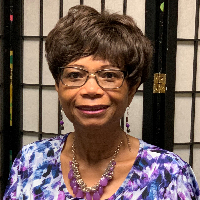
About Amelia
Amelia Williams is a Licensed Professional Clinical Counselor and Licensed Mental Health Counselor with 25 years of clinical experience. She focuses on helping people who feel stuck by using clear, practical steps they can use between sessions. Her approach aims to reduce overwhelming feelings and help people move forward toward everyday goals.
She works in a warm, respectful, and nonjudgmental way. Sessions focus on concrete skills and simple strategies rather than long lectures.
Background and approach
Clients may receive short tasks to try at home to practice new ways of coping and relating. Amelia draws from Cognitive Behavioral Therapy to identify unhelpful thinking and change behavior patterns. She also uses Solution-Focused Therapy to set small, achievable goals and build momentum quickly.
For people with a history of trauma she offers Trauma-Focused Therapy to address painful memories in manageable steps. Her practice often supports people dealing with stress, anxiety, depression, addiction, trauma and abuse, relationship and intimacy concerns, parenting strain, anger, and self-esteem struggles. Additional areas of focus include caregiver stress, abandonment, control issues, postpartum depression, and young adult issues.
Amelia works with straightforward language so parents and busy adults can follow along easily. She aims to help people develop usable tools, feel more capable managing daily demands, and make steady progress toward clearer, calmer days.
Therapeutic approaches and online care
Amelia commonly uses Cognitive Behavioral Therapy and Trauma-Focused Therapy when working online. Cognitive Behavioral Therapy focuses on identifying unhelpful thoughts and trying small behavior changes to reduce anxiety and improve mood. Trauma-Focused Therapy helps people process painful memories in smaller steps and learn coping strategies to reduce their impact.Finding the right approach is part of the work. Amelia treats the selection of methods as a collaboration and will help clients decide which techniques match their goals, needs, and preferences. Plans are adjusted as progress is made so the approach stays relevant to what the person wants to achieve.
Online sessions are offered as video calls, phone sessions, live chat, or text-based messaging to make therapy more flexible. Video calls are helpful for more in-depth conversations, phone sessions can fit into a work break or be easier when bandwidth is limited, and live chat or text messaging can provide brief check-ins or ongoing support between appointments. These options make it easier to schedule consistent care around busy lives.
Frequently asked questions
What kinds of concerns does she address?
How would you describe her therapeutic style?
What is her background and experience?
What credentials and region are listed?
Which languages and international options are available?
What session formats does she use?
How does billing and cost work?
What are the first steps to begin working together?
Specialties and expertise
Top specialties
- Stress, Anxiety
- Relationship issues
- Family conflicts
Also works with
- Abandonment
- Addictions
- ADHD
- Anger management
- Caregiver issues and stress
- Compassion fatigue
- Control issues
- Coping with life changes
- Depression
- Divorce and separation
- Domestic violence
- Emptiness
- Guilt and shame
- Intimacy-related issues
- Panic disorder and panic attacks
- Parenting issues
- Post-traumatic stress
- Postpartum depression
- Self esteem
- Social anxiety and phobia
- Trauma and abuse
- Women's issues
- Young adult issues
Therapeutic approaches
- Experience
- 25 years
- Licensed
- Indiana, Kentucky
- Languages
- English