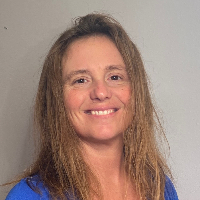
About Amy
Amy Louis greets people with a direct, hopeful approach. She is an Iowa licensed mental health counselor (LMHC) with 18 years of experience helping people manage stress, anxiety, depression, relationship struggles, grief, and identity concerns. Amy focuses on practical steps clients can try between sessions and on finding what works for each person.
She blends several methods rather than following a single technique. Sessions are collaborative and centered on the client's goals.
Background and approach
Amy helps people name patterns that get in the way, practice new ways of coping, and build small routines that improve day-to-day life. Her background includes a graduate program in counseling psychology and many years supporting people through trauma, abuse, health challenges, and life transitions. That experience informs a flexible, person-focused style rather than a one-size-fits-all plan.
Amy pays attention to issues that overlap, like sleep, eating, body image, and caregiving stress. She also supports people facing career challenges, loneliness, seasonal mood shifts, and changes tied to aging or end-of-life realities. Therapy with Amy tends to be upbeat and action-oriented.
She encourages clients to find balance and to return to the activities that bring them enjoyment. The emphasis is on practical change and on moving toward a life the client wants to live.
How Amy’s Approaches Work Online
Client-Centered Therapy focuses on the person’s own goals and values. The therapist listens closely, reflects back what matters, and helps people notice options they may not see. This approach is useful for issues like identity, self-esteem, and life direction.Cognitive Behavioral Therapy, or CBT, looks at how thoughts, actions, and feelings interact. It uses simple exercises to test unhelpful thoughts and to build new habits. CBT often helps with anxiety, depression, sleep problems, and mood shifts.
Finding the right approach is part of the work together. Amy will discuss options, try methods that match your goals, and adjust over time based on what helps. The process is collaborative and paced to the person’s needs.
Online sessions make it possible to fit therapy into busy lives. Video calls allow face-to-face conversation, phone sessions are useful when bandwidth is low or a quick check-in is needed, and live chat or text messaging can support ongoing reflection between meetings. These formats offer flexibility for different routines and comfort levels while keeping the focus on practical change and steady progress.
Frequently asked questions
What issues does she help people address?
What is her therapeutic style like?
How much clinical experience does she have?
Where is she licensed and practicing?
In which languages can sessions be held?
What formats are available for sessions?
How are fees and payment handled?
How do I begin working with her?
Specialties and expertise
Top specialties
- Stress, Anxiety
- Family conflicts
- Trauma and abuse
Also works with
- Addictions
- ADHD
- Aging and geriatric issues
- Anger management
- Career difficulties
- Caregiver issues and stress
- Communication problems
- Compassion fatigue
- Coping with life changes
- Coping with natural or human-caused disaster
- Depression
- Eating and food-related issues
- Eating disorders
- Emptiness
- Family problems
- Grief
- Hospice and end-of-life counseling
- Intimacy-related issues
- Isolation / loneliness
- LGBT
- Life purpose
- Money and financial issues
- Parenting issues
- Polyamory / non-monogamous relationships
- Relationship issues
- Seasonal Affective Disorder (SAD)
- Self esteem
- Sleeping disorders
- Young adult issues
Therapeutic approaches
- Experience
- 18 years
- Licensed
- Iowa
- Languages
- English