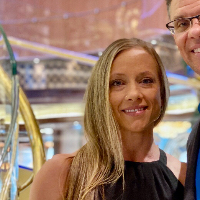
About Angela
Angela (Angie) LeMay is a Licensed Mental Health Counselor with 23 years of experience. She practices in Washington and offers therapy that centers on each person’s goals and strengths. Angie listens first, then helps people decide practical next steps they can try between sessions.
She trained in marriage and family therapy and has worked in community mental health centers, boys ranch settings, group homes, and independent practice. That variety shaped a flexible, down-to-earth style.
Background and approach
Angie draws on that background when helping people who feel stuck or overwhelmed. People come to her for a wide range of concerns including depression, anxiety, addiction, eating issues, trauma and abuse, grief, and parenting strain. She also supports people facing career questions, midlife transitions, and long-standing feelings of emptiness or low self-worth.
She pays attention to how body image, control issues, guilt, and shame affect daily life. Her sessions are collaborative and guided by what each person needs. She uses clear tools and questions so people can try new ways of thinking and behaving between appointments.
Angie helps identify small, doable steps to build momentum toward better coping and clearer goals. Her approach is warm and practical. People who want a therapist who listens deeply, offers straightforward strategies, and respects their pace will find her style approachable and steady.
Approaches for online work and practical change
Client-Centered Therapy focuses on listening and following the client's lead. The therapist offers empathy and support while helping people find their own solutions; this approach is useful for building self-trust and working through identity or self-worth concerns.Cognitive Behavioral Therapy, or CBT, looks at the link between thoughts, feelings, and actions. It uses practical exercises and experiments to change unhelpful thinking patterns and to teach new coping skills for anxiety, depression, and behavior change.
Narrative Therapy helps people separate themselves from the problem by looking at the stories they tell about their lives. It can be helpful for issues like shame, guilt, body image, and feelings of emptiness by creating alternative, more empowering personal narratives.
Choosing the right approach is part of the work. The therapist will collaborate with each person to decide which methods to try based on their goals and preferences. That decision can shift over time as needs change.
Online therapy offers flexibility through video calls, phone sessions, live chat, or text-based messaging. Video sessions allow face-to-face connection, phone sessions can be useful when bandwidth is limited, and chat or text can fit quick check-ins or days when typing feels easier. These options make it simpler to fit sessions into work, family, or travel schedules while keeping momentum between appointments.
Frequently asked questions
What concerns does she help with?
What is her therapy style like?
How much experience does she have?
What credentials and location are listed?
Which languages are supported for sessions?
What session formats are available?
How does payment and cost work?
What are the steps to begin therapy?
Specialties and expertise
Top specialties
- Family conflicts
- Eating disorders
- Self esteem
Also works with
- Addictions
- ADHD
- Anger management
- Bipolar disorder
- Body image
- Career difficulties
- Control issues
- Coping with life changes
- Depression
- Emptiness
- Forgiveness
- Grief
- Guilt and shame
- Intimacy-related issues
- Life purpose
- Midlife crisis
- Parenting issues
- Relationship issues
- Self-love
- Stress, Anxiety
- Trauma and abuse
Therapeutic approaches
- Experience
- 23 years
- Licensed
- Washington
- Languages
- English