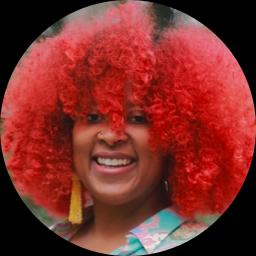
About April
April Fitzpatrick greets people with warmth and plain talk. She is a licensed mental health counselor who focuses on stress, anxiety, grief, low self-esteem, depression, and big life changes. April invites curiosity and creativity so people can better understand their choices and feelings.
Her style blends talking and making. If words feel small, she may introduce art-making to help express what is hard to name. She uses everyday language and practical steps so conversations stay clear and useful.
Background and approach
April draws on client-centered methods that keep the person as the expert in their life. She also uses cognitive-behavioral ideas to spot unhelpful thinking and to try different coping skills. Emotion-focused work helps when emotions feel overwhelming, and motivational interviewing supports people who want to find real momentum for change.
Over eight years she has helped people navigate anxiety, depression, grief, and struggles with self-image. Her background includes work with creative interventions and narrative change to help people rewrite painful stories about themselves. She practices in Florida and holds the LMHC credential, which she uses to guide clinical work.
Sessions aim to be collaborative and paced to each person's comfort. April stays curious, straightforward, and gently challenging when needed. She encourages people to notice strengths they already have and to make room for new ways to grow.
How April’s approaches translate to online therapy
April often blends client-centered listening with cognitive behavioral tools and emotionally-focused work. Client-centered therapy emphasizes listening and supporting a person's own goals, helping people feel understood and less alone. Cognitive behavioral therapy looks at patterns of thinking and behavior, offering concrete exercises to try between sessions for anxiety, low mood, or stress. Emotionally-focused work helps people identify and name strong feelings and learn ways to respond to them so they feel less overwhelming.Finding the right mix is a collaborative process. April will talk with each person about goals and preferences and adjust methods over time. She checks in about what is or isn’t working and helps people try different strategies until they find a better fit for their needs.
Online sessions make this flexible. Video calls let people use visual cues and see demonstrations of techniques. Phone sessions can fit a quick check-in or work better when bandwidth is limited. Live chat and text-based messaging allow short updates, homework sharing, or support between sessions. These options help people fit therapy into busy days and try approaches in real life without extra travel.
Frequently asked questions
What kinds of concerns does she help with?
What is her general approach in sessions?
How much experience does she have?
What credential and location does she hold?
Which languages and international options are available?
What session formats are available?
How does payment and cost work?
How do I get started with therapy?
Specialties and expertise
Top specialties
Also works with
Therapeutic approaches
- Experience
- 8 years
- Licensed
- Florida
- Languages
- English