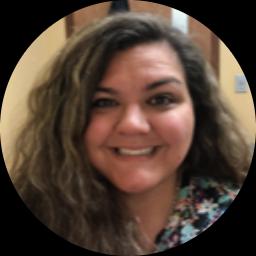
About Ashley
Dr. Ashley Shelanski helps people manage stress, anxiety, trauma and abuse, low self-esteem, depression, addictions, bipolar symptoms, career pressure, and life changes. She is based in Minnesota and brings nine years of clinical experience to her practice.
Dr. Shelanski holds the Licensed Mental Health Counselor credential and the Licensed Professional Clinical Counselor credential, listed as LMHC and LPCC. She keeps sessions straightforward and practical.
She listens first, then helps clients name what feels hardest and pick small, doable steps.
Background and approach
Conversations are direct but compassionate, and she encourages people to notice what works between sessions. Her experience includes working with people struggling with drug and alcohol addiction, post-traumatic stress, mood disorders, and deep feelings of guilt or shame. She focuses on improving day-to-day coping and building emotional resilience rather than offering quick fixes.
In sessions she emphasizes collaboration. A client’s goals shape the plan, and progress is checked often so methods can be adjusted. Therapy can include short-term strategies for symptom relief and longer-term work on patterns that keep problems coming back.
People who start with Dr. Shelanski can expect a steady, practical approach. She aims to create a space where thoughts and feelings can be shared without judgment.
Her style supports people taking the next steps toward clearer thinking and more reliable coping.
Evidence-based approaches and online access
Dr. Shelanski uses evidence-based therapeutic techniques aimed at symptom relief and lasting change. One common approach focuses on building practical coping skills for anxiety and depression by teaching breathing, pacing, and activity strategies to reduce overwhelm and lift mood. Another approach addresses trauma and post-traumatic stress by helping people process upsetting events at a pace they can manage, and by strengthening skills to handle triggers and flashbacks.Choosing the right method is a collaborative process. The therapist will talk with each person about their symptoms, goals, and preferences, then try an approach and check progress regularly. Plans are adjusted when something isn’t helping so work stays focused on what the person wants to achieve.
Online therapy offers flexible ways to connect. Video calls let people meet face to face when a fuller conversation is helpful. Phone sessions can be easier when bandwidth is limited or when someone prefers not to be on camera. Live chat and text-based messaging support brief check-ins, ongoing coaching, and quick problem-solving between longer sessions. These options make it easier to fit therapy into a busy life and to maintain momentum between appointments.
Frequently asked questions
What concerns does this therapist address?
How would you describe the therapeutic style?
What is her professional background?
What credentials and location are listed?
Which languages are offered and can international clients join?
What session formats are available?
How are costs handled for sessions?
What steps are involved in getting started?
Specialties and expertise
Top specialties
Also works with
- Addictions
- Bipolar disorder
- Career difficulties
- Coping with life changes
- Depression
- Drug and alcohol addiction
- Guilt and shame
- Mood disorders
- Post-traumatic stress
- Experience
- 9 years
- Licensed
- Minnesota, Iowa
- Languages
- English