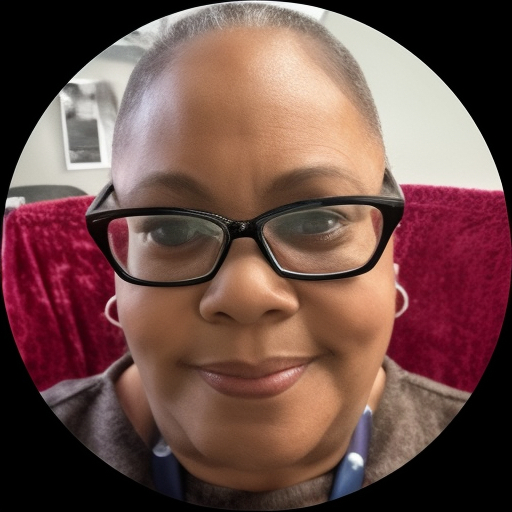
About Carla
Carla Lee is a licensed mental health counselor practicing in Massachusetts. She brings four years of experience helping people cope with depression, anxiety, trauma, and major life changes. Carla aims for straightforward, steady care that meets people where they are.
Carla combines practical therapy methods with a warm, respectful manner. Sessions focus on real problems and useful skills rather than jargon. People can expect collaborative planning, short-term goals, and time to reflect on deeper issues when needed.
Background and approach
Her style is informed by a Christian perspective that clients can choose to include or not. That perspective can shape conversations about values, meaning, and purpose when it matters to the person in therapy. Carla keeps spiritual and emotional threads in view while staying focused on concrete steps forward.
She uses several well-known therapy approaches to tailor work to each person. Examples include strategies to change unhelpful thoughts, tools to build emotional regulation, and methods to clarify personal values and goals. Sessions blend listening, skill practice, and perspective-shifting exercises.
Carla offers sessions in multiple online formats and over the phone. People who want to begin can complete a short matching questionnaire and schedule based on the therapist's availability. Her goal is to help people gain stability, clearer direction, and stronger coping tools.
Therapeutic approaches for online care
Acceptance and Commitment Therapy (ACT) helps people notice difficult thoughts and feelings without getting stuck in them, then choose actions that match their values. ACT can be useful for anxiety, depression, and finding direction after life changes.Cognitive Behavioral Therapy (CBT) focuses on identifying and changing unhelpful thinking patterns and behaviors. It involves practical exercises and simple experiments to reduce symptoms of anxiety and low mood.
Dialectical Behavior Therapy (DBT) offers tools for managing intense emotions and improving interpersonal effectiveness. It includes skills for distress tolerance and emotional regulation that can help with mood instability and relationship stress.
Finding the right approach is part of the work. The therapist will talk with each person about goals, needs, and preferences, and then suggest methods to try. This is a collaborative process and adjustments are made as therapy progresses.
Online sessions can be scheduled as video calls, phone sessions, live chat, or text-based messaging. Video calls are used for in-depth conversations, phone sessions for lower bandwidth or hands-free check-ins, live chat for brief exchanges, and messaging for ongoing support between sessions. These options make it easier to fit therapy into a busy life while keeping continuity of care.
Frequently asked questions
What concerns does this therapist focus on?
How would you describe the therapy style?
What is the therapist's background?
What credentials and location are listed?
Are sessions offered in other languages or internationally?
Which session formats are available?
How is cost handled?
What are the first steps to begin?
Specialties and expertise
Top specialties
- Stress, Anxiety
- Trauma and abuse
- Bipolar disorder
Also works with
Therapeutic approaches
- Experience
- 4 years
- Licensed
- Massachusetts
- Languages
- English