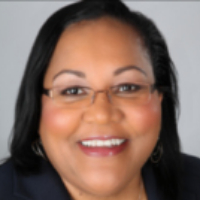
About Carol
Carol Watler is a licensed mental health counselor with 17 years of experience. She practices in New York and speaks English. Carol offers straightforward, practical counseling for people feeling overwhelmed by stress, anxiety, depression, relationship strain, or major life changes.
Carol focuses on what matters day to day. She helps people manage symptoms of mood disorders, cope with grief, address trauma and addiction concerns, and improve self-esteem and communication. Her work also covers caregiver stress, workplace issues, parenting concerns, and finding life purpose.
Background and approach
Her background blends clinical counseling with pastoral care roles earlier in her career. That mix shaped a style that attends to emotional, mental, and spiritual needs when clients want that included. She brings a calm, direct presence and aims to help people notice concrete changes within months rather than years.
In sessions she uses client-centered methods to build trust and CBT techniques to identify and shift unhelpful thoughts and behaviors. For clients coping with trauma, she may use trauma-focused approaches and EMDR when appropriate. Treatment plans are practical and tailored to the person’s goals and daily realities.
People who choose Carol will find a therapist who listens, sets clear goals, and works collaboratively on steps to feel better. She also guides clients toward community resources and coaching-style support when life direction or career decisions are priorities.
Using collaborative therapy methods online
Client-centered therapy emphasizes listening and building trust. The therapist follows the person’s lead, reflects concerns, and helps set goals based on what matters most to the client. This approach helps when someone needs a supportive space to talk through emotions and decisions.Cognitive Behavioral Therapy, or CBT, focuses on identifying unhelpful thoughts and changing behaviors that keep problems going. It uses practical exercises and homework to create measurable shifts in mood and daily routines, which can help with anxiety, depression, and workplace stress.
Eye Movement Desensitization and Reprocessing, EMDR, is sometimes used for trauma work to help process distressing memories and reduce their emotional intensity. It is applied when trauma-focused care fits the person’s needs and goals.
Finding the right approach is part of the work. The therapist will discuss options and tailor methods to the client’s symptoms, goals, and comfort level. Decisions about which techniques to use are made together so the plan matches personal needs.
Online therapy lets people connect from different locations using video calls, phone sessions, live chat, or text-based messaging. Video is useful for full conversations and visual cues, phone calls work well when bandwidth is limited, live chat supports shorter check-ins, and text messaging can keep progress going between longer sessions. These options make scheduling easier and help therapy fit into busy lives.
Frequently asked questions
What concerns does this therapist commonly address?
What is the overall therapy style and approach?
How much experience does the therapist have?
What credentials and location are listed?
Which languages are offered and are international clients supported?
What session formats are available?
How is cost handled for sessions?
How do I begin working with this therapist?
Specialties and expertise
Top specialties
- Stress, Anxiety
- Relationship issues
- Parenting issues
Also works with
- Addictions
- ADHD
- Anger management
- Bipolar disorder
- Career difficulties
- Caregiver issues and stress
- Coaching
- Communication problems
- Compassion fatigue
- Coping with life changes
- Depression
- Family conflicts
- Grief
- Life purpose
- Mood disorders
- Post-traumatic stress
- Self esteem
- Self-love
- Social anxiety and phobia
- Trauma and abuse
- Workplace issues
Therapeutic approaches
- Experience
- 17 years
- Licensed
- New York
- Languages
- English