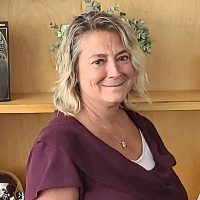
About Christine
Christine Weber is a licensed mental health counselor with 37 years in the field. She trained at Rhode Island College and later completed advanced graduate study in rehabilitation counseling. Christine brings long experience working with mood and substance use concerns.
She practices in Rhode Island as an LMHC and also holds the LPC credential. Christine keeps sessions straightforward and practical. She helps people manage stress, anxiety, depression, and compulsive behaviors.
Background and approach
She also supports those facing grief, trauma, parenting strain, and life transitions. Her work often focuses on co-occurring substance use and mental health issues. Her approach blends client-centered care with structured skills work.
Christine uses cognitive behavioral techniques and dialectical behavior strategies to teach coping skills. She also uses mindfulness practices and, when appropriate, eye movement desensitization and reprocessing for trauma-related distress. Sessions are collaborative and goal-focused.
Christine aims to help people build skills they can use between meetings. She often works on managing panic, reducing avoidance, improving self-esteem, and addressing codependency and addictive patterns. People who reach out can expect concise guidance and practical tools.
She is experienced with a wide range of concerns including bipolar mood patterns, phobias, social anxiety, and parenting challenges. Christine practices in Rhode Island and offers multiple online session formats to fit different needs.
Approaches that translate to online care
Client-centered therapy focuses on listening and building a trusting working relationship, letting the person set goals while the therapist offers support and reflection. Cognitive behavioral therapy, or CBT, breaks problems into thoughts, feelings, and behaviors and teaches practical skills to change unhelpful patterns and reduce anxiety or depression. Dialectical behavior therapy, DBT, emphasizes emotion regulation, distress tolerance, and interpersonal effectiveness skills for intense moods and relationship struggles.Choosing the right approach is a shared process. The therapist will talk with the person about needs, goals, and preferences and then suggest techniques to try. This collaborative planning means methods can be adjusted over time based on what helps most.
Online sessions are offered as video calls, phone sessions, live chat, or text-based messaging to fit busy schedules. Video lets people work face to face from different locations, phone can be easier when bandwidth is limited, live chat or text messaging can provide short check-ins or support between sessions. These options make it simpler to keep up with skills practice and regular appointments without long commutes.
Frequently asked questions
What issues does Christine help address?
How would you describe her therapeutic style?
How much clinical experience does she have?
What are her credentials and where is she based?
Which languages are supported and can international clients participate?
What session formats are available?
How does payment and cost work for sessions?
How do I begin working with her?
Specialties and expertise
Top specialties
Also works with
- ADHD
- Bipolar disorder
- Codependency
- Compassion fatigue
- Coping with life changes
- Depression
- Drug and alcohol addiction
- Eating disorders
- Family conflicts
- Grief
- Mood disorders
- Panic disorder and panic attacks
- Parenting issues
- Personality disorders
- Phobias
- Post-traumatic stress
- Relationship issues
- Social anxiety and phobia
- Trauma and abuse
Therapeutic approaches
- Experience
- 37 years
- Licensed
- Connecticut, Rhode Island, Oregon
- Languages
- English