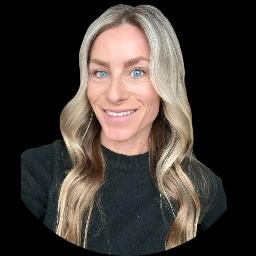
About Cortney
Cortney (Bota) Smith is a Licensed Mental Health Counselor who uses person-centered care to guide sessions. She focuses on what each person needs and listens to what matters most. Cortney draws on more than a decade of clinical experience to help people find practical steps forward.
She blends client-centered work with cognitive behavioral techniques to address symptoms and patterns. Solution-focused strategies are used to set short-term goals and notice progress.
Background and approach
Motivational interviewing helps when change feels overwhelming or you need support finding motivation. Cortney has worked in community clinics with adult clients and has a long history of one-on-one therapy. She completed a Master of Science in Mental Health Counseling after earning a Bachelor of Arts in Psychology and completed about 1,000 clinical internship hours across different placements.
She has provided teletherapy for several years in addition to traditional face-to-face work. That mix of settings means she is comfortable moving between talk-based sessions, goal work, and practical coping skills. Cortney aims to help people come to their own conclusions and make sustainable changes.
Session times include weekday daytime hours with occasional evenings when possible. Cortney practices in New York and holds the LMHC credential. She works in English and focuses on stress, anxiety, mood disorders, addiction concerns, relationship and family issues, trauma, grief, sleep problems, parenting strains, self-esteem, career questions, and coping with life changes.
Combining practical approaches with online care
Cognitive Behavioral Therapy helps identify unhelpful thoughts and test new ways of thinking and acting. It is useful for anxiety, depression, sleep problems, and patterns that keep recurring. Client-Centered Therapy focuses on listening and meeting people where they are. This approach supports building trust, naming goals, and guiding decisions without pressure.Finding the right approach is part of the work together. Cortney will discuss goals, preferences, and what feels doable, then try methods that match those needs. That collaborative process lets the person steer the pace while the therapist offers tools and feedback.
Online therapy options include video calls, phone sessions, live chat, and text-based messaging. Video calls allow face-to-face conversation and visual cues, while phone sessions can fit a shorter break or require less bandwidth. Live chat and text messaging are useful for quick check-ins, tracking progress, or when writing out thoughts helps more than speaking. These formats make it easier to fit therapy into a busy schedule and keep consistent momentum toward goals.
Frequently asked questions
What kinds of concerns does she address?
How would you describe her therapy style?
What is her professional background?
Where does she practice and what is her credential?
Are sessions offered in other languages or internationally?
What formats are available for sessions?
How does payment and cost work?
How do I begin working with her?
Specialties and expertise
Top specialties
- Stress, Anxiety
- Anger management
- Bipolar disorder
Also works with
- Addictions
- Career difficulties
- Coping with life changes
- Depression
- Family conflicts
- Grief
- Intimacy-related issues
- Parenting issues
- Relationship issues
- Self esteem
- Sleeping disorders
- Trauma and abuse
Therapeutic approaches
- Experience
- 11 years
- Licensed
- New York
- Languages
- English