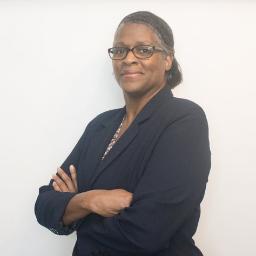
About Cynthia
Cynthia Moore is a Licensed Professional Counselor with 24 years of experience. She holds LPC and Licensed Mental Health Counselor credentials and practices in Texas. Cynthia has worked across many treatment settings, from inpatient and residential care to outpatient and independent practice.
She focuses on practical steps people can take to feel steadier and more in control. She helps people who face depression, anxiety, stress, and anger. She also supports those dealing with addictions, trauma and abuse, grief, and bipolar mood challenges.
Background and approach
Relationship concerns, self-esteem, parenting strain, and career stress are common topics in her sessions. Cynthia uses straightforward methods drawn from client-centered work, cognitive behavioral approaches, dialectical behavior ideas, and solution-focused strategies. Sessions tend to focus on clear goals, concrete skills, and changes that can fit into everyday life.
She works with each person to set realistic steps and track progress over time. <brHer background includes managing outpatient clinics and experience in intensive outpatient programs, partial hospitalization, and residential settings. That variety informs how she helps people move through crisis and then build stable routines. In conversations she makes space for personal values and faith when clients want to include them.
People who choose Cynthia often want a practical plan, steady support, and help improving communication and coping skills. She encourages active participation and regular check-ins to adjust the plan as needed.
How Cynthia brings therapy online with focused approaches
Cynthia blends client-centered care and cognitive behavioral methods when working online. Client-centered work centers the person and their priorities, helping them speak about what matters most and set the pace. Cognitive behavioral techniques look at unhelpful thoughts and behaviors and teach practical tools for changing them, useful for anxiety, depression, and stress.She will partner with each person to find the right approach. That means discussing goals, trying techniques, and adjusting what they do together when something is not helping. The choice of method is collaborative and can evolve as needs change.
Online sessions are offered as video calls, phone sessions, live chat, or text-based messaging to fit different schedules and comfort levels. Video is good for a fuller face-to-face feel. Phone sessions can work when bandwidth is limited or a shorter check-in is needed. Live chat and messaging let people send updates between sessions or use brief exchanges when a day is busy. These options aim to make therapy easier to attend and to fit progress into everyday life.
Frequently asked questions
What kinds of concerns does she address?
What is her therapeutic style like?
How long has she been practicing?
Where is she licensed and located?
Which languages are supported for sessions?
Can international clients work with her?
What session formats are available online?
How are costs and scheduling handled?
Specialties and expertise
Top specialties
- Relationship issues
- Anger management
- Self esteem
Also works with
- Abandonment
- Addictions
- Bipolar disorder
- Career difficulties
- Codependency
- Commitment issues
- Communication problems
- Control issues
- Coping with life changes
- Dependent personality
- Depression
- Disruptive Mood Dysregulation Disorder (DMDD)
- Emptiness
- Family of origin issues
- Family problems
- Forgiveness
- Grief
- Guilt and shame
- Infidelity
- Isolation / loneliness
- Jealousy
- Life purpose
- Multicultural concerns
- Parenting issues
- Self-love
- Social anxiety and phobia
- Stress, Anxiety
- Trauma and abuse
- Women's issues
- Young adult issues
Therapeutic approaches
- Experience
- 24 years
- Licensed
- Texas, Washington
- Languages
- English