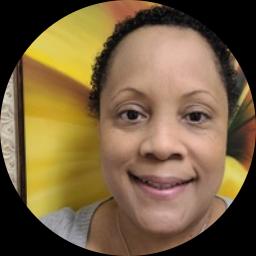
About Darlene
Darlene Hill is a licensed mental health counselor (LMHC) who uses straightforward, skills-based therapy to help people manage stress, anxiety, grief, and relationship pain. She offers practical strategies that focus on what matters now. Her style is direct and compassionate, aimed at helping people feel more able to cope day to day.
Over eight years of practice in Washington inform how she approaches common concerns like depression, trauma, addictions, and trouble sleeping.
Background and approach
Darlene draws on Cognitive Behavioral Therapy to help people notice and change unhelpful thought patterns. She also uses EMDR for people who carry painful memories that keep affecting their present. Motivational Interviewing is part of her toolkit when someone needs help finding motivation for change.
Solution-Focused Therapy helps set clear, short-term goals and build on small successes. These methods are used together to match what each person needs in the moment. Sessions typically include concrete skills, short homework tasks, and focused conversation about what’s getting in the way of progress.
Darlene helps people work through issues such as attachment and abandonment, communication problems, guilt and shame, and life purpose concerns. People come to address matters related to first responder or veteran experiences, discrimination and multicultural stress, or relationship infidelity and separation. She speaks English and practices as an LMHC in Washington.
Approach-focused online therapy for trauma and stress
Many clients benefit from Cognitive Behavioral Therapy because it teaches practical ways to change thoughts and behaviors that keep problems going. CBT is useful for anxiety, depression, sleep troubles, and anger because it breaks concerns into workable steps.EMDR is offered for people who carry painful memories that still feel active. It uses guided processing to reduce the intensity of those memories so everyday life is less interrupted by the past.
Deciding which approach to use is a collaborative process. The therapist and client look at symptoms, goals, and what feels right in session. Plans can change as progress is made, mixing methods when that helps reach specific goals.
Online therapy makes it easier to fit care into a busy life. Video calls allow face-to-face conversation when thoughtful dialogue and visual cues help. Phone sessions work when bandwidth is limited or a shorter check-in is needed. Live chat and text-based messaging give flexibility for brief check-ins, homework support, or when typing feels easier than speaking.
These options help people in Washington access consistent, approach-driven care that matches their schedule and needs.
Frequently asked questions
What issues does Darlene help with?
What is her therapy style like?
How much experience does she have?
What are her credentials and where is she based?
Which languages are supported and are international clients accepted?
What formats are available for sessions?
How does billing and cost work?
How do I begin working with Darlene?
Specialties and expertise
Top specialties
- Stress, Anxiety
- Relationship issues
- Trauma and abuse
Also works with
- Abandonment
- Addictions
- ADHD
- Anger management
- Attachment issues
- Career difficulties
- Communication problems
- Control issues
- Coping with life changes
- Depression
- Divorce and separation
- Family conflicts
- First responder issues
- Forgiveness
- Grief
- Guilt and shame
- Infidelity
- Intimacy-related issues
- Isolation / loneliness
- LGBT
- Life purpose
- Multicultural concerns
- Post-traumatic stress
- Prejudice and discrimination
- Self esteem
- Sleeping disorders
- Veteran and Armed Forces Issues
- Women's issues
- Workplace issues
- Young adult issues
Therapeutic approaches
- Experience
- 8 years
- Licensed
- Washington
- Languages
- English