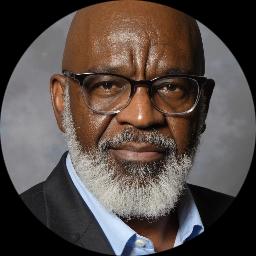
About Darrell
Darrell Patterson is a licensed mental health counselor who has spent nine years working in clinical settings. He draws on his life experiences and formal training to guide people toward clearer thinking and better daily functioning. He speaks plainly and meets people where they are without judgment.
He uses practical conversations to identify what is causing stress, anxiety, depression, grief, or struggles with addiction. Sessions focus on realistic steps people can take between meetings.
Background and approach
He also helps with relationship and family concerns, parenting strain, anger, low self-esteem, and coping with big life changes. His approach blends client-centered listening, cognitive behavioral strategies, and attachment-focused work. That mix lets him listen first and then suggest small behavior and thinking changes that can ease distress.
Motivational interviewing and solution-focused ideas are woven in to support commitment and quick, usable goals. Patterson earned a master’s degree in counseling and psychology from Palm Beach Atlantic University and holds a Florida LMHC license. Earlier work as a commissioned officer in the U.S.
Army and as a corporate trainer shaped his plainspoken, structured style. People who come to him can expect a collaborative process. He helps reconstruct negative patterns and build new routines.
The emphasis is on steady, practical progress rather than quick fixes, and on helping each person find meaning and purpose as they move forward.
How his approaches translate to online therapy
Attachment-Based Therapy focuses on how early relationships shape current ways of connecting. Online sessions can help identify patterns of trust and closeness and practice new ways of relating in day-to-day life. Cognitive Behavioral Therapy (CBT) looks at the link between thoughts, feelings and actions; it uses clear exercises and homework to change unhelpful thinking and behavior, which fits well with short video or messaging check-ins. Client-Centered Therapy centers the person’s own goals and values, offering empathic listening and collaboration to decide what to work on next.Finding the right approach is a collaborative process. The therapist will listen to your goals and try methods that suit your needs and preferences. If something isn’t working, adjustments are made together so the work stays practical and relevant to your life.
Online therapy offers flexibility through multiple formats - video calls when visual connection helps, phone sessions when bandwidth is limited, live chat for brief check-ins, and text messaging for ongoing support between sessions. These options make it easier to fit therapy into work, parenting, or other daily routines and to continue momentum between appointments.
Frequently asked questions
What concerns does he address?
What is his therapeutic style like?
How much clinical experience does he have?
What credentials and location are listed?
Which languages are supported and are international clients accepted?
What session formats are available?
How does pricing work?
How do I begin working with him?
Specialties and expertise
Top specialties
- Stress, Anxiety
- Addictions
- Relationship issues
Also works with
- Abandonment
- ADHD
- Aging and geriatric issues
- Anger management
- Bipolar disorder
- Codependency
- Communication problems
- Compassion fatigue
- Control issues
- Coping with life changes
- Depression
- Divorce and separation
- Drug and alcohol addiction
- Family conflicts
- Family problems
- Fatherhood issues
- Forgiveness
- Grief
- Impulsivity
- Infidelity
- Life purpose
- Men's issues
- Midlife crisis
- Mood disorders
- Multicultural concerns
- Parenting issues
- Prejudice and discrimination
- Process addiction (porn, exercise, gambling)
- Self esteem
- Social anxiety and phobia
- Trauma and abuse
- Veteran and Armed Forces Issues
- Young adult issues
Therapeutic approaches
- Experience
- 9 years
- Licensed
- Florida
- Languages
- English