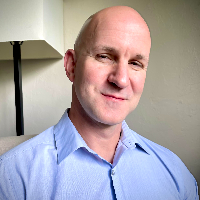
About David
David Kranson is a Licensed Mental Health Counselor with 12 years of experience in mental health care. He focuses on practical work that helps people manage stress, anxiety, addictions, anger, and depression. David speaks plain language and aims to make therapy feel direct and useful from the first visit.
David draws on a range of approaches to match each person's situation. He uses client-centered methods to build rapport and understand what matters most to the client.
Background and approach
He also applies cognitive behavioral techniques to help people identify unhelpful thoughts and try different behaviors. Sessions are structured around clear goals and small steps. David helps people break big problems into manageable tasks.
That might mean skills for handling panic, a plan for reducing substance use, or strategies to cope with grief and life changes. He brings a practical focus to relationship and intimacy issues, communication and control problems, and fatherhood concerns. He also supports people facing mood disorders, trauma reactions, and challenges with guilt, shame, or isolation.
His approach balances short-term tools and longer-term personal work. People who prefer straightforward, collaborative sessions tend to fit well with his style. He offers flexible scheduling and multiple session formats to accommodate different routines.
His practice is based in Florida and he works with clients in English.
How therapeutic approaches translate to online care
Client-Centered Therapy focuses on listening and reflecting. The therapist creates a respectful, nonjudgmental space and follows what matters most to the client, which helps with anxiety, identity concerns, and relationship issues.Cognitive Behavioral Therapy, or CBT, looks at how thoughts and behaviors keep problems going. It uses practical exercises and homework to reduce panic, depression, and mood swings by changing thinking and activity patterns.
Finding the right approach is part of the work together. The therapist will talk about goals, try methods that fit the person's needs, and adjust plans based on what helps. That collaborative process helps decide whether to emphasize CBT, client-centered work, or other methods.
Online therapy offers flexible ways to connect. Video calls allow face-to-face conversation for skills practice and deeper discussion. Phone sessions can be easier when video isn't possible or bandwidth is limited. Live chat and text messaging let people check in between sessions, send short updates, or have brief touchpoints during a busy day. These options make it simpler to fit therapy into work, parenting, or travel schedules while keeping momentum on goals.
Frequently asked questions
What kinds of concerns does he help with?
What is his therapeutic style like?
How many years has he worked in mental health?
What credentials and location are listed?
Which languages and international options are available?
What session formats does he offer?
How are sessions priced?
How do I begin working with him?
Specialties and expertise
Top specialties
Also works with
- Anger management
- Bipolar disorder
- Career difficulties
- Communication problems
- Control issues
- Coping with life changes
- Depression
- Drug and alcohol addiction
- Family conflicts
- Family problems
- Fatherhood issues
- Forgiveness
- Grief
- Guilt and shame
- Impulsivity
- Intimacy-related issues
- Isolation / loneliness
- LGBT
- Life purpose
- Men's issues
- Mood disorders
- Panic disorder and panic attacks
- Parenting issues
- Phobias
- Post-traumatic stress
- Process addiction (porn, exercise, gambling)
- Relationship issues
- Self esteem
- Self-love
- Social anxiety and phobia
- Young adult issues
Therapeutic approaches
- Experience
- 12 years
- Licensed
- Florida
- Languages
- English