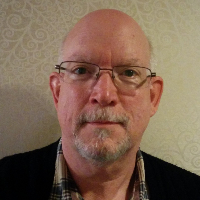
About David
Dr. David Wilcox is a licensed mental health counselor practicing in Florida with more than three decades of clinical experience. He has worked in counseling since 1991 and focuses on helping people manage stress, anxiety, depression, relationship problems, trauma and parenting challenges.
His work often centers on trauma and its effects on daily life. He also helps people who use substances to cope with painful memories or intrusive thoughts. He sees the person as more than symptoms and looks at how biology, thinking, relationships, and spiritual concerns interact.
Background and approach
In sessions he draws from practical methods such as cognitive behavioral tools and solution-focused techniques to set clear goals. He also uses dialectical behavior strategies and motivational interviewing ideas to support change and to manage intense emotions. He adapts interventions to the issue at hand rather than using a single fixed method.
People who meet with him usually get straightforward feedback and focused exercises to try between sessions. He will talk through coping skills, problem-solving steps, and ways to improve communication. Work on substance misuse includes motivation and stepwise planning toward healthier choices.
He views counseling as a collaborative process that addresses biological, psychological, social, and spiritual aspects over time. Dr. Wilcox aims to help people make manageable changes that fit their daily lives and values.
How practical therapy methods work online
Dr. Wilcox frequently draws on cognitive behavioral therapy and dialectical behavior therapy when working remotely. Cognitive behavioral therapy focuses on identifying unhelpful thoughts and testing new behaviors to reduce anxiety or depression. Dialectical behavior therapy offers concrete emotion-regulation and distress-tolerance skills for intense feelings and relationship strain.Finding the right approach is part of the work together. The therapist will review a person’s goals, symptoms, and life demands and suggest which methods to try first. Decisions are collaborative, and approaches can change as progress is made.
Online sessions are offered by video calls, phone, live chat, or text-based messaging to make therapy more flexible. Video is useful for deeper conversations and exercises that use visual cues. Phone sessions can fit a shorter break at work or when bandwidth is limited. Live chat and text let people check in between sessions or use brief coaching-style exchanges. These options help people fit therapy into busy routines while using the methods best suited to their concerns.
Frequently asked questions
What kinds of problems does he help with?
What is his therapy style like?
How long has he been practicing?
Where is he licensed and based?
Which languages are sessions offered in?
Can international clients meet with him?
What session formats are available?
How does cost and scheduling work?
Specialties and expertise
Top specialties
- Stress, Anxiety
- Relationship issues
- Trauma and abuse
Also works with
- Aging and geriatric issues
- Attachment issues
- Avoidant personality
- Caregiver issues and stress
- Communication problems
- Control issues
- Depression
- Divorce and separation
- Drug and alcohol addiction
- Emptiness
- Family of origin issues
- Family problems
- Forgiveness
- Hospice and end-of-life counseling
- Impulsivity
- Infidelity
- Isolation / loneliness
- Life purpose
- Men's issues
- Money and financial issues
- Mood disorders
- Parenting issues
- Post-traumatic stress
- Seasonal Affective Disorder (SAD)
- Social anxiety and phobia
- Veteran and Armed Forces Issues
Therapeutic approaches
- Experience
- 34 years
- Licensed
- Florida
- Languages
- English