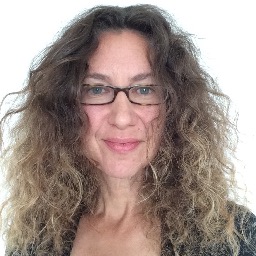
About Deborah
Dr. Deborah (Deb) Kutner is a licensed mental health counselor practicing in Florida. She brings 12 years of experience and a background in health psychology to her work.
Deb aims to create a calm, respectful space where people can name what's hard and begin to make changes. Deb prefers a collaborative style. She listens first and then helps people decide practical next steps.
Sessions tend to feel conversational rather than clinical, with an emphasis on real-life habits and coping skills.
Background and approach
Her practice addresses stress, anxiety, depression, grief, and the emotional fallout of trauma and abuse. She also supports people navigating relationship and intimacy questions, caregiving strain, gender dysphoria, and sexuality-related concerns including BDSM, kink, and non-monogamous relationships. Deb integrates client-centered work with techniques drawn from dialectical behavior therapy and mindfulness.
She uses narrative and trauma-focused ideas to help people make sense of difficult events and find new ways forward. People who come to her often want help with self-esteem, life transitions, and multicultural issues. She accepts clients from outside the U.S. and conducts sessions in English.
Practical matters like scheduling and session format are arranged to fit each person’s life.
How therapeutic approaches translate to online sessions
Client-centered therapy centers the person's own experience and goals. In practice this means sessions begin with listening and reflecting, and then together shaping what to work on next. It helps people who want support that respects their values and choices.Dialectical behavior therapy, or DBT, teaches concrete skills for managing intense emotions, handling conflict, and reducing self-destructive patterns. Online sessions can be used to learn and practice those skills, with short exercises or homework between appointments.
Finding the right approach is part of the work. The therapist will discuss goals, habits, and preferences and then recommend methods that fit. This is a collaborative process and adjustments are made as needs change.
Online formats include video calls, phone sessions, live chat, and text-based messaging. Video is useful for face-to-face conversation and body language cues. Phone sessions can be a good fit when bandwidth is limited or a quieter voice check-in is needed. Live chat and texting are helpful for brief check-ins, flexible scheduling, and ongoing support between longer sessions. These options make therapy more accessible and easier to fit into a busy life.
Frequently asked questions
What concerns does this therapist commonly help with?
What is her therapeutic style like?
How much clinical experience does she have?
What credentials and location are listed?
Which languages are supported and are international clients accepted?
What formats are available for sessions?
How are fees and billing handled?
What steps are involved to get started?
Specialties and expertise
Top specialties
Also works with
- BDSM, kink, and alternative sex culture
- Caregiver issues and stress
- Coping with life changes
- Depression
- Family conflicts
- Gender dysphoria
- Hospice and end-of-life counseling
- Intimacy-related issues
- Multicultural concerns
- Polyamory / non-monogamous relationships
- Post-traumatic stress
- Relationship issues
- Self esteem
- Sexual assault and abuse
- Sexuality
- Trauma and abuse
- Women's issues
Therapeutic approaches
- Experience
- 12 years
- Licensed
- Florida
- Languages
- English