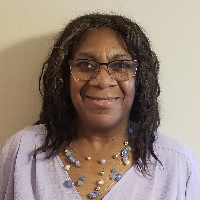
About Debra
Dr. Debra DeFour-Pierce is a Licensed Mental Health Counselor (LMHC) based in New York with 22 years of practice experience. She holds a doctorate in clinical-school psychology and brings a long history of school-based work to her counseling.
Her background combines assessment experience and practical strategies for everyday stress and emotional struggles. Clients meet a therapist who favors clear, direct conversations. Sessions focus on how thoughts, feelings, and beliefs shape behavior.
Background and approach
Dr. DeFour-Pierce offers straightforward tools for coping with anxiety, depression, grief, and stress. She also addresses parenting concerns and issues that affect relationships and intimacy.
Her approach mixes several methods to suit each person's needs. She uses Cognitive Behavioral Therapy to identify unhelpful thinking patterns and DBT skills to manage strong emotions. Mindfulness techniques are included to help calm the body and mind.
She also draws on psychodynamic ideas when exploring recurring relationship patterns. Dr. DeFour-Pierce pays attention to cultural background and life context.
She assists people dealing with caregiver stress, body image struggles, guilt and shame, and isolation. Her work can include support for those facing prejudice, post-traumatic stress, or challenges tied to young adulthood. Sessions are practical and collaborative.
She aims to teach strategies that fit into daily life, from managing anger to improving self-esteem. The tone is respectful, empathetic, and occasionally light. The focus is on next steps and usable skills rather than lengthy theory.
How therapeutic approaches translate to online care
Dr. DeFour-Pierce commonly uses Cognitive Behavioral Therapy and Dialectical Behavior Therapy in her online work. CBT helps people spot and change unhelpful thoughts and behaviors that keep problems going, and it is often used for anxiety, depression, and stress. DBT offers concrete skills for managing intense emotions, improving relationships, and reducing impulsive reactions.Finding the right mix of methods is part of the process. She will work together with clients to choose approaches that match their needs, goals, and preferences. That means checking in about what helps, adjusting strategies, and picking practices that fit the person’s daily life.
Online sessions are available by video call, phone, live chat, or text-based messaging to make therapy more flexible. Video calls allow face-to-face conversation and visual cues. Phone sessions can be easier when bandwidth or camera use is limited. Live chat and text messages are useful for brief check-ins, homework support, or when written reflection works better. These options aim to help people fit therapy into work, school, or caregiving schedules while keeping treatment focused and practical.
Frequently asked questions
What concerns does she address?
How would you describe her therapeutic style?
What is her clinical background?
Where is she licensed and based?
Which languages are supported?
What session formats are offered?
How are fees and subscriptions handled?
How do I begin working with her?
Specialties and expertise
Top specialties
- Stress, Anxiety
- Grief
- Parenting issues
Also works with
- ADHD
- Anger management
- Body image
- Caregiver issues and stress
- Compassion fatigue
- Coping with life changes
- Depression
- Family conflicts
- Family problems
- Guilt and shame
- Impulsivity
- Intimacy-related issues
- Isolation / loneliness
- Jealousy
- Life purpose
- Multicultural concerns
- Post-traumatic stress
- Prejudice and discrimination
- Relationship issues
- Self esteem
- Self-harm
- Self-love
- Women's issues
- Young adult issues
Therapeutic approaches
- Experience
- 22 years
- Licensed
- New York
- Languages
- English