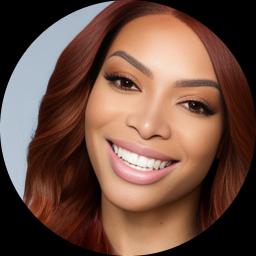
About Diamond
Diamond Marie Thaxton offers a direct, solution-focused approach that aims to help people make clear changes quickly. She blends practical strategies with gentle challenge to help clients reflect, set goals, and build new habits. Diamond uses short, focused interventions and homework to support lasting change while respecting busy schedules.
She has seven years of clinical experience and holds the LMHC credential. Based in New York, she has worked with people facing relationship struggles, intimacy concerns, and addictions.
Background and approach
She also helps with mood concerns such as depression and low self-esteem, and with life transitions that feel overwhelming. Diamond draws on approaches that encourage action and measurable steps. In sessions she helps clients identify unhelpful patterns, try new behaviors, and track progress between meetings.
She emphasizes accountability and gives practical assignments to help skills stick. Her work also addresses attachment and abandonment wounds, communication problems, codependency, and issues like jealousy or infidelity. She supports people navigating nontraditional relationship styles and the dating scene, aiming to strengthen connection and clearer boundaries.
Sessions are offered through online formats including video, phone, live chat, and text messaging. People who prefer written reflection often find live chat and messaging helpful for processing thoughts and keeping a record of insights. Diamond meets people where they are and focuses on what will move them forward.
Approach-focused care delivered online
Diamond commonly uses Cognitive Behavioral Therapy and Motivational Interviewing to help people make concrete changes. CBT focuses on identifying unhelpful thoughts and testing new behaviors to reduce symptoms like low mood or anxiety. Motivational Interviewing is a collaborative way to boost a person's own motivation to change, and it is often used for substance and behavioral addictions or when someone feels stuck.Finding the right approach is part of the process. The therapist will work together with clients to choose what fits best based on goals, preferences, and what has helped in the past. That collaborative decision making shapes the focus and pace of work over time.
Online sessions are offered by video call, phone, live chat, and text-based messaging to provide flexibility. Video calls allow face-to-face conversation for deeper exchanges, phone sessions can be easier when bandwidth is limited, and live chat or messaging helps people who prefer writing or want brief check-ins. These options make it easier to fit therapy into a busy life and keep momentum between meetings.
Frequently asked questions
What concerns does this therapist help with?
What is the therapist's style in sessions?
How much clinical experience does the therapist have?
What credentials and location are listed for this therapist?
Which languages are offered and can international clients join?
In what formats are sessions available?
How is cost handled for sessions?
What are the steps to begin working together?
Specialties and expertise
Top specialties
- Addictions
- Relationship issues
- Intimacy-related issues
Also works with
- Abandonment
- Attachment issues
- Autism and Asperger Syndrome
- Body image
- Codependency
- Communication problems
- Coping with life changes
- Depression
- Drug and alcohol addiction
- Guilt and shame
- Infidelity
- Isolation / loneliness
- Jealousy
- LGBT
- Life purpose
- Midlife crisis
- Money and financial issues
- Mood disorders
- Polyamory / non-monogamous relationships
- Process addiction (porn, exercise, gambling)
- Self esteem
- Self-love
- Sex addiction
- Sexuality
- Women's issues
Therapeutic approaches
- Experience
- 7 years
- Licensed
- New York, Washington
- Languages
- English