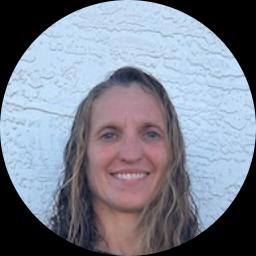
About Elizabeth
Elizabeth Underwood is a Licensed Mental Health Counselor (LMHC) in Florida with 15 years of experience. She focuses on practical, person-centered care to help people manage stress, anxiety, depression, and addictions. She encourages clear, direct conversations so concerns can be named and worked through.
Her sessions start by listening. She creates space for people to speak about trauma, grief, low self-esteem, sleep problems, and anger without judgment. Together they set simple, achievable goals and track small changes over time.
Background and approach
Elizabeth blends several approaches to match what a person needs. She uses client-centered listening to understand each person’s priorities. Cognitive Behavioral Therapy helps identify unhelpful thinking patterns and try new behaviors.
Mindfulness exercises bring focus to the present moment and reduce overwhelm. She also draws on motivational interviewing to boost readiness for change, and narrative therapy to reframe painful stories. These methods are used in straightforward ways - practical exercises, short skill-building tasks, and calm discussion about what matters most.
People meet her for help with career stress, compassion fatigue, relationship communication problems, chronic illness or pain, and rebuilding confidence after loss. Sessions aim to fit into everyday life and leave people with tools they can use between meetings. Elizabeth values steady progress over quick fixes.
She works with each person at their own pace and helps them find practical strategies for coping with life changes and moving toward goals.
Approaches that fit online care
Client-Centered Therapy focuses on listening and building trust. In an online session this means time is used to understand what matters most and to set goals that feel doable. Cognitive Behavioral Therapy (CBT) breaks problems into thoughts, feelings, and actions, then tests small behavior changes; it's useful for anxiety, mood concerns, and sleep problems. Mindfulness Therapy teaches simple attention and breathing practices to reduce stress and reactivity, and can be practiced between sessions.Choosing the right approach is part of the work. The therapist will partner with each person to try methods and see what helps most. That collaboration lets the plan shift if something feels off, so therapy stays aligned with a person's goals and preferences.
Online sessions are offered by video calls, phone sessions, live chat, and text-based messaging to make care more flexible. Video calls allow face-to-face conversation and visual cues. Phone sessions work well when bandwidth is limited or when someone prefers not to be on camera. Live chat and text-based messaging are useful for brief check-ins, quick skill practice, or fitting therapy into a busy day. These options make it easier to keep momentum and use skills between meetings.
Frequently asked questions
What kinds of problems does this therapist help with?
How would you describe her therapy style?
What is her background and experience?
Where is she licensed and based?
Which languages are supported for sessions?
What session formats are available?
How does payment and cost work?
How do I begin working with her?
Specialties and expertise
Top specialties
Also works with
- Anger management
- Attachment issues
- Body image
- Career difficulties
- Caregiver issues and stress
- Chronic pain, illness, and disability
- Communication problems
- Compassion fatigue
- Coping with life changes
- Depression
- Forgiveness
- Grief
- Guilt and shame
- Isolation / loneliness
- Life purpose
- Mood disorders
- Post-traumatic stress
- Self esteem
- Self-love
- Sleeping disorders
- Social anxiety and phobia
Therapeutic approaches
- Experience
- 15 years
- Licensed
- Florida
- Languages
- English