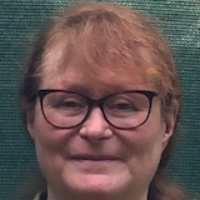
About Ellen
Ellen Loveless is a licensed mental health counselor (LMHC) in New York with 28 years of experience. She offers calm, direct support for people facing anxiety, depression, grief, and major life changes. Her tone is warm and respectful, and she focuses on practical steps clients can use right away.
Clients meet a therapist who listens closely and helps them name what matters most. Sessions are interactive and goal-focused. Ellen draws on client-centered work to follow each person's priorities and on solution-focused tools to set small, doable goals.
Background and approach
She uses cognitive behavioral ideas when patterns of thinking make stress or mood problems worse. That often means trying new behaviors between sessions and tracking what helps. Emotionally-focused strategies are used when relationships or painful feelings need clearer attention and repair.
Ellen also attends to issues that often accompany mood and stress problems, such as work and money worries, communication struggles, commitment concerns, and the effects of past trauma. She recognizes the challenge of change and helps people build routines that support better days. Her practice fits people who want practical guidance delivered with compassion.
Sessions combine listening, clear feedback, and step-by-step plans. Ellen aims to help clients move forward at a manageable pace.
Approaches for online change and coping
Client-centered therapy focuses on listening and following the client's agenda. The therapist reflects concerns back, helps clarify priorities, and supports people as they decide the next steps. Cognitive behavioral therapy, or CBT, looks at how thoughts and behaviors keep problems going and then tests small behavior changes and new ways of thinking to reduce anxiety and low mood.Finding the right approach is part of the work together. The therapist will discuss goals, try methods that fit the situation, and adjust based on what helps. That collaborative process makes it easier to pick techniques that feel useful and realistic for daily life.
Online sessions use video calls, phone sessions, live chat, or text-based messaging to fit different needs. Video is good for face-to-face conversations and relationship work. Phone sessions can be simpler when bandwidth is limited or when someone prefers no camera. Chat and text messaging work well for quick check-ins, homework review, or when people want shorter, written exchanges. These options give flexibility to fit therapy into busy schedules and varied routines.
Frequently asked questions
What concerns does Ellen commonly address?
How would you describe her therapy style?
What is her background and experience?
What credentials and location are recorded for her?
Which languages are supported and are international clients accepted?
What session formats are available?
How does pricing work for sessions?
What are the steps to begin working together?
Specialties and expertise
Top specialties
- Stress, Anxiety
- Family conflicts
- Grief
Also works with
- Bipolar disorder
- Career difficulties
- Commitment issues
- Communication problems
- Control issues
- Coping with life changes
- Depression
- Domestic violence
- Forgiveness
- Life purpose
- Money and financial issues
- Mood disorders
- Panic disorder and panic attacks
- Post-traumatic stress
- Relationship issues
- Seasonal Affective Disorder (SAD)
Therapeutic approaches
- Experience
- 28 years
- Licensed
- New York
- Languages
- English