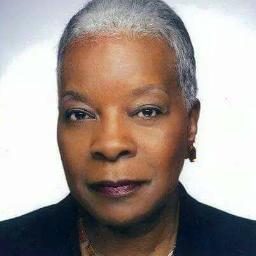
About Elnora
Prof. Elnora Harrison helps people facing stress, anxiety, relationship strain, trauma and abuse, grief, and LGBT-related concerns. She brings a calm, practical approach to conversations about hard experiences and difficult feelings.
Harrison is a Licensed Mental Health Counselor, LMHC, practicing in New York with 35 years in human services and mental health work. She draws on long experience supporting people who have used substances to cope, and those carrying race-based or intergenerational trauma.
Background and approach
Sessions focus on clear goals and straightforward dialogue. She listens for patterns such as attachment problems, abandonment fears, control struggles, or cycles of shame and guilt. Together with the person she makes a plan to test small changes and build better ways of coping.
People also bring concerns about midlife questions, money stress, caregiver burden, loneliness, and impulsivity. Harrison pays attention to life context and how social factors shape emotional health. She emphasizes respect, cultural humility, and compassion in every session.
Her background in community psychology informs a practical view of healing. Conversations move between exploring past influences and trying new behaviors in daily life. The work aims to reduce distress and help people find clearer direction and more manageable routines.
Evidence-based approaches and online care
Prof. Harrison uses evidence-based therapeutic techniques that combine understanding past experiences with practical behavior changes. One approach focuses on attachment and abandonment work - identifying patterns in close relationships and trying new interaction strategies to reduce reactivity and improve connection. Another approach addresses trauma and grief by pacing difficult memories and learning grounding and emotion regulation skills to make daily life more manageable.Choosing the right approach is a collaborative process. The therapist will work with each person to identify goals, try methods that suit their needs, and adjust the plan based on what helps in real life. This means testing tools in between sessions and picking what fits each person's rhythm and priorities.
Online therapy offers flexible ways to connect. Video calls let people speak face to face when deeper conversation is needed. Phone sessions can work when bandwidth is limited or when someone prefers not to be on camera. Live chat and text messaging allow short check-ins, quick problem-solving, and support between longer appointments. These options make it easier to fit therapy into a busy schedule and to keep consistent contact as progress unfolds.
Frequently asked questions
What kinds of problems does she help with?
What is her therapeutic style?
How much experience does she have?
What credentials and location should I know about?
Which languages are offered?
What session formats are available?
How does payment and cost work?
How do I begin working with her?
Specialties and expertise
Top specialties
- Stress, Anxiety
- LGBT
- Relationship issues
Also works with
- Abandonment
- Attachment issues
- Caregiver issues and stress
- Communication problems
- Control issues
- Divorce and separation
- Grief
- Guilt and shame
- Impulsivity
- Isolation / loneliness
- Life purpose
- Men's issues
- Midlife crisis
- Money and financial issues
- Mood disorders
- Narcissism
- Post-traumatic stress
- Self-love
- Sexuality
- Trauma and abuse
- Women's issues
- Workplace issues
- Experience
- 35 years
- Licensed
- New York
- Languages
- English