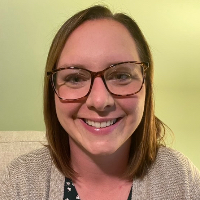
About Emily
Emily Mayback uses a client-centered approach to guide people through hard moments. She is a Licensed Mental Health Counselor (LMHC) based in New York with 13 years of experience in the human services field. Emily aims to create a warm, interactive space where each person helps set the pace and goals for therapy.
She focuses on practical concerns like stress, anxiety, depression, and substance use. She also helps with relationship strain, parenting challenges, grief, intimacy issues, bipolar disorder, and major life changes.
Background and approach
Drug and alcohol addiction are listed as additional focus areas she addresses. Sessions emphasize collaboration. Emily listens first, then works with each person to build simple, achievable steps.
She draws on techniques from cognitive behavioral therapy and mindfulness to reduce distress and increase healthy routines. Motivational interviewing and solution-focused methods help when someone needs clarity about change or wants brief, goal-directed work. Emily tailors the mix of approaches to fit the situation she sees in session.
She believes people are experts in their own lives and therapy should reflect that. Her communication style is responsive and consistent; she typically answers at least once in the morning and once in the evening on weekdays. She sets boundaries around weekends to rest and recharge.
Emily offers sessions in English and accepts clients from outside the United States for online work.
How Emily’s Approaches Work Online
Client-centered therapy puts the person’s priorities first and creates a collaborative plan. In practice this means Emily listens, reflects what she hears, and helps set goals that make sense for everyday life. Cognitive behavioral therapy, or CBT, focuses on identifying unhelpful thoughts and testing practical behavior changes to reduce symptoms like anxiety and low mood.Finding the right approach is part of the work together. Emily will discuss goals, try methods that fit those goals, and adjust the approach based on how a person responds. This is a joint process where feedback shapes treatment direction and pace.
Online sessions are offered via video calls, phone sessions, live chat, and text-based messaging to make therapy more flexible. Video is useful for deeper conversation and visual cues, phone sessions work well when bandwidth is limited, live chat supports shorter check-ins, and text messaging helps with brief reflections between sessions. These options make it easier to fit therapy into a busy life and to keep momentum between meetings.
Frequently asked questions
What concerns does she address?
What is her therapy style like?
How much experience does she have?
What credentials and location are listed?
Which languages are supported and can international clients connect?
What session formats are available?
How are costs handled?
How do I begin therapy with her?
Specialties and expertise
Top specialties
Also works with
- Bipolar disorder
- Career difficulties
- Coping with life changes
- Drug and alcohol addiction
- Family conflicts
- Grief
- Intimacy-related issues
- Parenting issues
- Relationship issues
- Self esteem
- Trauma and abuse
Therapeutic approaches
- Experience
- 13 years
- Licensed
- New York
- Languages
- English