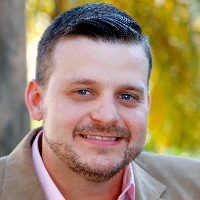
About Evan
Evan Burton is a Licensed Mental Health Counselor in Florida with six years of clinical experience. He focuses on helping people manage stress, anxiety, depression, addictions, and problems with self‑esteem. People also come to him for support with grief, trauma, relationship strain, and challenges around parenting and body image.
He uses practical, down‑to‑earth methods rather than one set way of doing therapy. Sessions often look at how thoughts, feelings, and actions connect, and then identify small, doable changes.
Background and approach
Evan listens first and tailors the approach to each person rather than forcing a single method. His main tools include cognitive behavioral ideas, acceptance and commitment elements, mindfulness, client‑centered conversation, and motivational interviewing. He has led groups teaching coping skills and CBT techniques and has experience running groups for loved ones of people with substance use or eating disorders.
Evan aims to make therapy a collaborative process. He helps people set clear goals and tries different ways to meet them until something fits. If an approach isn’t helping, he adjusts the plan so sessions feel useful and relevant.
People often seek him out when they want practical strategies and honest conversation. He works with adults across a wide range of concerns and emphasizes steady, achievable progress rather than quick fixes.
Therapeutic approaches for online work
Acceptance and Commitment Therapy (ACT) focuses on helping people notice their thoughts without getting stuck in them and commit to actions that reflect their values. It can help with anxiety, depression, and behavior patterns that cause distress. Cognitive Behavioral Therapy (CBT) looks at the links between thoughts, feelings, and behaviors and teaches practical tools to change unhelpful patterns; it is often used for anxiety, mood issues, and obsessive thoughts. Client‑Centered Therapy emphasizes listening, empathy, and building a trusting relationship so clients can find their own answers and make meaningful changes.Choosing the right approach is a collaborative process. The therapist will talk with the client about goals, try different techniques, and adjust the plan when something isn’t working. This shared decision making helps match methods to what actually helps the person in session.
Online therapy offers flexibility through video calls, phone sessions, live chat, and text messaging. Video sessions allow face‑to‑face conversation and visual cues. Phone sessions use less bandwidth and can be easier during a busy day. Chat and text are useful for quick check‑ins, brief coping tools, or when writing feels easier than speaking. These options make it simpler to fit therapy into work, family, or travel schedules while keeping the focus on steady progress.
Frequently asked questions
What concerns does Evan commonly address?
How would you describe his therapy style?
What is his professional background?
Where is he based and what credential does he hold?
Can I work with him in other languages or from abroad?
What session formats are available?
How does payment work and what does it cost?
How do I begin working with him?
Specialties and expertise
Top specialties
Also works with
- Aging and geriatric issues
- Anger management
- Bipolar disorder
- Body image
- Codependency
- Commitment issues
- Communication problems
- Control issues
- Coping with natural or human-caused disaster
- Depression
- Drug and alcohol addiction
- Eating disorders
- Family conflicts
- Fatherhood issues
- Grief
- LGBT
- Life purpose
- Men's issues
- Mood disorders
- Obsessions, compulsions, and OCD
- Panic disorder and panic attacks
- Parenting issues
- Process addiction (porn, exercise, gambling)
- Relationship issues
- Trauma and abuse
- Traumatic brain injury
- Workplace issues
- Young adult issues
Therapeutic approaches
- Experience
- 6 years
- Licensed
- Florida
- Languages
- English