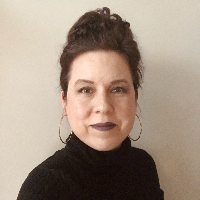
About Felicia
Felicia Nicosia greets people who are ready for change with calm encouragement and practical support. She helps people who are struggling with stress, anxiety, grief, low self-esteem, mood disorders, and life transitions. Her manner is warm and straightforward, aimed at making hard conversations easier to start.
Felicia brings 18 years of experience across a range of settings. She holds a Master’s degree in Counseling and Art Therapy from Adler University and lists Illinois LCPC and Florida LMHC credentials.
Background and approach
She has worked in inpatient psychiatric care, foster care and parent coaching, crisis counseling, equine-assisted psychotherapy, and art therapy. Her approach is person-centered and flexible. She draws on Acceptance and Commitment Therapy, Cognitive Behavioral Therapy, Dialectical Behavior Therapy, and solution-focused strategies when they fit a person's goals.
She also weaves in Adlerian ideas and attention to life context like sleep, diet, and stressors. Faith and spirituality can be part of sessions if the person wants that included. She is comfortable supporting people at any point in their spiritual journey and with diverse gender identities and sexual orientations.
In practical terms she helps people identify realistic next steps, practice coping skills, and rebuild routines that support better sleep, relationships, and daily functioning. Sessions aim to be collaborative, down-to-earth, and geared toward manageable change.
Approaches that guide online sessions
Acceptance and Commitment Therapy (ACT) focuses on identifying personal values and learning small actions that move a person toward those values despite difficult thoughts or feelings. It can help with anxiety, depression, and life transitions by building committed steps rather than waiting to feel better first.Cognitive Behavioral Therapy (CBT) looks at the link between thoughts, feelings, and behavior and teaches practical skills to shift unhelpful thinking and routine patterns. It is often used for mood disorders, insomnia, and stress management.
Finding the right approach is part of the work. The therapist will review goals, preferences, and everyday challenges and then recommend one or a mix of methods. This is a collaborative choice and can change as progress is made.
Online appointments can take place by video call, phone, live chat, or text-based messaging. Video is useful for fuller dialogue and visual cues, phone calls work well when bandwidth is limited, live chat and messaging suit quick check-ins or ongoing support between sessions. These options make it easier to fit sessions into busy schedules and to keep continuity when life is unpredictable.
Frequently asked questions
What issues does she help with?
What is her therapy style like?
How much clinical experience does she have?
Where is she licensed and based?
Which languages are supported for sessions?
What session formats are available?
How does billing and cost work?
How do I begin working with her?
Specialties and expertise
Top specialties
Also works with
- ADHD
- Aging and geriatric issues
- Bipolar disorder
- Career difficulties
- Communication problems
- Compassion fatigue
- Coping with life changes
- Depression
- Family conflicts
- Family of origin issues
- Family problems
- Forgiveness
- Guilt and shame
- Intimacy-related issues
- Isolation / loneliness
- Life purpose
- Midlife crisis
- Mood disorders
- Parenting issues
- Post-traumatic stress
- Relationship issues
- Seasonal Affective Disorder (SAD)
- Sleeping disorders
- Trauma and abuse
- Women's issues
- Young adult issues
Therapeutic approaches
- Experience
- 18 years
- Licensed
- Illinois, Florida
- Languages
- English