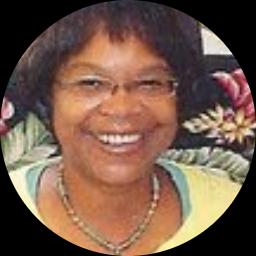
About Genotra
Genotra Brown is a licensed mental health counselor who helps people manage stress, anxiety, low self-esteem, depression, grief, and addiction concerns. She also supports people facing career strain, compassion fatigue, and major life changes. Genotra brings two decades of clinical experience to her work and practices in Nevada as an LMHC and as an LCPC credentialed in another state.
Her style is direct and calming. She aims to make sessions feel like a steady conversation rather than a lecture.
Background and approach
Clients can expect time to talk through what matters most, and practical strategies to try between sessions. Genotra uses a mix of approaches depending on the person’s needs. She draws on attachment-based ideas to look at how past relationships affect current patterns.
She uses cognitive behavioral techniques to spot and shift unhelpful thoughts and DBT skills to manage strong emotions. She has a long history of working with older adults and caregiver stress, and she also focuses on issues such as family of origin concerns, blended family dynamics, and veteran and first responder stress.
Her background includes years in education, which she uses to explain tools clearly and teach skills in a straightforward way. People who choose her often want an experienced clinician who explains options plainly and helps build step-by-step plans for change. Genotra offers phone and video sessions as well as live chat and text-based messaging to fit different schedules and preferences.
Approach and Online Care That Fits Your Life
Genotra often blends client-centered work with cognitive behavioral therapy in online sessions. Client-centered work means the therapist follows the person’s lead, listens closely, and helps clarify goals. Cognitive behavioral therapy focuses on spotting unhelpful thoughts and testing new ways of thinking to change feelings and behavior.She also uses attachment-based ideas to look at how relationship patterns from the past affect current connections. That approach can help people understand why they react a certain way and try new ways of relating. Choosing the right mix of methods is collaborative - the therapist will help figure out what fits a person’s needs, goals, and preferences and will adjust as work progresses.
Online formats include video calls, phone sessions, live chat, and text-based messaging. Video lets people see facial cues and work through material in real time. Phone sessions use less bandwidth and can be easier to schedule. Live chat and text messaging are useful for short check-ins, skill practice, or when someone prefers typing over speaking. These options make therapy more flexible and easier to fit into a busy life.
Frequently asked questions
What concerns does she help with?
What is her therapy style like?
How much experience does she have?
What credentials and location are listed?
Which languages are sessions offered in?
What session formats are available?
How are fees and subscriptions handled?
How do I begin working with her?
Specialties and expertise
Top specialties
Also works with
- Addictions
- Aging and geriatric issues
- Anger management
- Attachment issues
- Blended family issues
- Career difficulties
- Caregiver issues and stress
- Coaching
- Communication problems
- Compassion fatigue
- Control issues
- Coping with life changes
- Coping with natural or human-caused disaster
- Family conflicts
- Family of origin issues
- Family problems
- First responder issues
- Grief
- Isolation / loneliness
- LGBT
- Life purpose
- Midlife crisis
- Mood disorders
- Multicultural concerns
- Panic disorder and panic attacks
- Prejudice and discrimination
- Self-love
- Sexuality
- Social anxiety and phobia
- Veteran and Armed Forces Issues
- Women's issues
- Workplace issues
Therapeutic approaches
- Experience
- 20 years
- Licensed
- Nevada, Hawaii
- Languages
- English