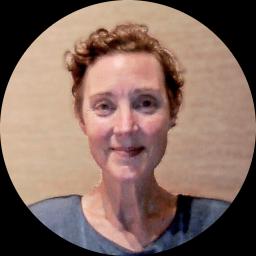
About Gretchen
Gretchen Van Blair is a licensed mental health counselor who uses evidence-based techniques to help people heal and grow. She works with clients facing stress, anxiety, addictions, eating concerns, and struggles with self-esteem. Gretchen brings a calm, affirming presence to sessions and focuses on practical steps people can use right away.
Her approach centers on building self-love and clearer communication. She helps people talk through isolation, body image worries, attachment and abandonment issues, and the aftermath of trauma.
Background and approach
She also addresses caregiver stress, chronic illness and pain, and challenges around control and forgiveness. Gretchen has six years of clinical experience in Washington as an LMHC, and she draws on that experience to tailor each plan to the person in front of her. Sessions are designed to feel collaborative and straightforward, with goals that fit day-to-day life.
She brings particular awareness to LGBT concerns and to people dealing with addictive behaviors or disordered eating, offering an affirming space to explore identity and recovery. Gretchen also supports those coping with guilt, shame, loneliness, and questions of life purpose. Practical skills, reflective conversation, and steady support are central to her work.
Clients can expect a therapist who listens closely, helps set clear steps forward, and focuses on small changes that add up over time.
How evidence-based approaches translate to online care
Gretchen uses evidence-based therapeutic techniques focused on practical change and emotional healing. One common approach she uses helps people identify unhelpful thoughts and try out different ways of thinking and behaving to reduce anxiety and stress. Another approach centers on building stable attachment and improving communication skills so people can feel more connected and handle conflict more clearly.Choosing the right approach is a team effort. Gretchen works with each person to decide which techniques fit their needs, goals, and preferences, and she adjusts the plan as progress is made. That collaboration helps make sessions feel useful from the start.
Online sessions are offered by video calls, phone, live chat, or text-based messaging to fit different schedules and needs. Video is good for deeper conversation and visual cues. Phone works well when bandwidth is limited or for a quick check-in. Chat and messaging let people write out thoughts between sessions or have shorter touchpoints during a busy week. These formats make therapy more flexible and easier to fit into daily life.
Frequently asked questions
What kinds of concerns does she help with?
What is her therapeutic style like?
How much clinical experience does she have?
What are her credentials and where is she located?
Which languages are supported for sessions?
What session formats are available?
How is cost handled for therapy?
How do I begin working with her?
Specialties and expertise
Top specialties
Also works with
- Abandonment
- Attachment issues
- Body image
- Caregiver issues and stress
- Chronic pain, illness, and disability
- Communication problems
- Control issues
- Eating disorders
- Forgiveness
- Guilt and shame
- Isolation / loneliness
- Life purpose
- Narcissism
- Post-traumatic stress
- Pregnancy and childbirth
- Self esteem
- Self-love
- Women's issues
- Workplace issues
- Experience
- 6 years
- Licensed
- Washington
- Languages
- English