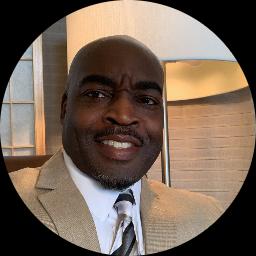
About John
John Saunders greets people who are feeling overwhelmed, anxious, or stuck. He is a Licensed Mental Health Counselor (LMHC) based in New York with 12 years of clinical experience. He focuses on building a calm, straightforward place to talk so clients can start to feel more in control.
John helps people who are struggling with stress, anxiety, depression, and low self-esteem. He also supports those working through addictions, trauma and abuse, and issues around motivation and life purpose.
Background and approach
Conversations are practical and aimed at small changes that add up over time. In sessions he listens closely and follows each person’s lead. He uses clear techniques when they help, and keeps things simple when they do not.
The goal is to make progress at a pace that feels manageable. John combines a few different approaches to match what each person needs. He draws on client-centered methods to create acceptance and understanding.
He adds cognitive behavioral tools to notice and change unhelpful thinking, and elements of motivational interviewing to support commitment to change. People who work with him can expect direct feedback, gentle challenge, and practical steps to try between sessions. He encourages honest talk about setbacks as well as successes.
The emphasis is on real-world changes that improve daily life.
How therapeutic approaches translate to online work
Client-centered therapy focuses on listening and understanding. It helps people feel heard and accepted while they name what matters most and decide what to try next. Cognitive Behavioral Therapy, or CBT, looks at the links between thoughts, feelings, and actions and offers concrete exercises to change unhelpful patterns and reduce anxiety or low mood.Finding the right approach is usually a shared process. The therapist will talk with each person about goals, try different techniques, and adjust based on what proves useful. This collaborative stance helps shape a plan that fits the individual rather than forcing a single method.
Online formats make it easier to fit therapy into a busy life. Video calls let people work face to face from wherever they are. Phone sessions are a good option when bandwidth is limited or a shorter check-in is needed. Live chat and text-based messaging offer ongoing support between sessions and can be used for brief updates or to practice skills. These options provide flexibility while keeping the work focused on manageable steps and real-life change.
Frequently asked questions
What concerns does John commonly help with?
What is his general therapeutic style?
How much clinical experience does he have?
What credentials and region are listed?
In which languages can sessions be held?
Which session formats does he use?
How are costs and billing handled?
What steps are needed to begin working together?
Specialties and expertise
Top specialties
Also works with
- Abandonment
- Adoption and foster care
- Aging and geriatric issues
- Attachment issues
- Cancer
- Chronic pain, illness, and disability
- Codependency
- Control issues
- Depression
- Drug and alcohol addiction
- Family of origin issues
- Forgiveness
- Guilt and shame
- HIV / AIDS
- Hospice and end-of-life counseling
- Life purpose
- Men's issues
- Multicultural concerns
- Obsessions, compulsions, and OCD
- Panic disorder and panic attacks
- Personality disorders
- Post-traumatic stress
- Prejudice and discrimination
- Process addiction (porn, exercise, gambling)
- Self esteem
- Self-love
- Social anxiety and phobia
- Traumatic brain injury
- Veteran and Armed Forces Issues
- Young adult issues
Therapeutic approaches
- Experience
- 12 years
- Licensed
- New York
- Languages
- English