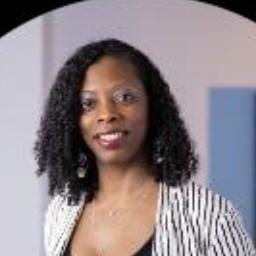
About Keeshawanda
Keeshawanda Williams is a licensed mental health counselor in Florida who helps people facing stress, anxiety, depression, and concerns around sexuality and LGBT matters. She also supports people dealing with relationship and intimacy-related issues, attachment and abandonment worries, communication problems, and struggles with self-love. She writes and speaks with respect and compassion.
Taking the first step can feel hard, and she acknowledges that courage. Keeshawanda uses a conversational, down-to-earth style in sessions.
Background and approach
She listens first to understand what matters most to each person. Then she tailors conversations and a plan to fit individual needs instead of using a one-size-fits-all approach. Sessions are collaborative and goal-focused, with room for slower exploration when needed.
Her background includes three years of professional experience working with these concerns. She holds the LMHC credential, which indicates licensure to practice mental health counseling in Florida. She offers help in English.
In meetings she focuses on practical skills alongside emotional awareness. That might look like practicing ways to talk about needs, noticing patterns in attachment, or building self-compassion habits. Small steps are a common focus so progress feels doable.
People who choose to work with her can expect a respectful, straightforward approach. She aims to create a space where honest conversations are possible and where realistic next steps are clear.
Therapeutic approaches and online care
Many people benefit from evidence-based techniques that focus on both thoughts and behavior. Cognitive approaches help people spot and change thought patterns that feed anxiety or low mood, and then practice different behaviors to test new ways of coping. These methods suit stress, anxiety, and depression by giving clear steps to try between sessions.Attachment-focused work looks at patterns in relationships and closeness. It helps people notice how past abandonment or attachment wounds show up now, and then practice new ways of asking for needs and managing intimacy. This approach can be useful for relationship and intimacy-related concerns as well as communication problems.
Finding the right approach is a collaborative process. The therapist will discuss goals and preferences and adjust techniques as therapy progresses. Together the client and therapist pick what feels most practical and relevant for daily life.
Online formats include video calls, phone sessions, live chat, and text-based messaging. Video is useful for deeper, face-to-face style conversations. Phone sessions work well when bandwidth is limited or a person prefers not to be on camera. Live chat and text let people check in more frequently or fit brief sessions into a busy day. These options aim to make attending sessions easier and more flexible for different schedules and needs.
Frequently asked questions
What kinds of problems does she help with?
What is her approach in sessions?
How much clinical experience does she have?
What credentials and location should I know about?
Which languages are supported for sessions?
Can people outside the United States work with her?
What formats are available for online sessions?
How does cost and scheduling work?
Specialties and expertise
Top specialties
- Stress, Anxiety
- LGBT
- Relationship issues
Also works with
- Experience
- 3 years
- Licensed
- Florida
- Languages
- English