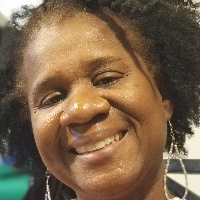
About Kerline
Kerline Alexis is a Licensed Mental Health Counselor (LMHC) based in New York who helps with stress, anxiety, parenting concerns, anger, self-esteem, depression, relationship and family issues, trauma and abuse, and intimacy-related struggles. She also supports people coping with sleep and eating difficulties, career changes, bipolar symptoms, ADHD, and compassion fatigue.
Her first aim is to create a respectful, empathetic space where people can begin to feel understood and steady.
Background and approach
Her style is warm and interactive. Sessions focus on practical steps and clear goals. She listens to what matters most and helps clients name the changes they want to make.
Conversations are grounded in everyday language rather than clinical jargon. Kerline blends client-centered care with cognitive behavioral tools and psychodynamic ideas. That means she pays attention to what clients feel now, connects patterns to past experiences, and teaches skills to change unhelpful thoughts and behaviors.
She also draws on dialectical behavior techniques and motivational interviewing when those fit a person’s needs. With six years of experience, she has worked in settings involving mental health, learning differences, and chronic health concerns. She uses that background to tailor each session to the person in front of her rather than a one-size-fits-all plan.
Sessions are offered in English and are available to international clients. Kerline invites people to take a first step toward manageable change and clearer next actions.
Therapeutic approaches you can use online
Kerline commonly uses client-centered therapy and cognitive behavioral therapy to guide online work. Client-centered therapy emphasizes listening, respect, and the client’s own goals; it helps people feel heard and clarify what they want to change. Cognitive behavioral therapy focuses on identifying unhelpful thoughts and behaviors and practicing new responses, which is useful for anxiety, mood, and sleep or eating issues.She may also draw on dialectical behavior therapy skills when emotion regulation or impulsivity is a concern. DBT offers straightforward techniques for managing intense feelings, improving relationships, and tolerating distress without making things worse. Together these approaches give a mix of empathic listening, practical exercises, and skill building that can be adapted to each person’s needs.
Finding the right approach is a team effort. The therapist will talk with the client about goals, try techniques, and adjust the plan based on what helps. That collaborative process makes it easier to pick methods that match personality, lifestyle, and the problems someone brings to sessions.
Online formats include video calls, phone sessions, live chat, and text messaging. Video suits longer talks and visual cues, phone works well when bandwidth is limited, chat offers quick check-ins, and messaging can support brief updates or skill practice between sessions. These options make it easier to fit therapy into work, caregiving, or travel routines while still using evidence-informed techniques.
Frequently asked questions
What concerns does Kerline address?
How does she approach therapy?
What is her professional background?
Where is she licensed and located?
Which languages and international options are available?
In what formats are sessions offered?
How are sessions paid for and what does cost depend on?
How do I begin working with her?
Specialties and expertise
Top specialties
- Stress, Anxiety
- Parenting issues
- Anger management
Also works with
- Abandonment
- ADHD
- Aging and geriatric issues
- Attachment issues
- Autism and Asperger Syndrome
- Bipolar disorder
- Career difficulties
- Caregiver issues and stress
- Communication problems
- Compassion fatigue
- Control issues
- Coping with life changes
- Coping with natural or human-caused disaster
- Depression
- Eating disorders
- Family conflicts
- Forgiveness
- Guilt and shame
- Impulsivity
- Intellectual disability
- Intimacy-related issues
- Isolation / loneliness
- Midlife crisis
- Multicultural concerns
- Obsessions, compulsions, and OCD
- Panic disorder and panic attacks
- Post-traumatic stress
- Prejudice and discrimination
- Relationship issues
- Self esteem
- Self-love
- Sleeping disorders
- Social anxiety and phobia
- Trauma and abuse
- Women's issues
Therapeutic approaches
- Experience
- 6 years
- Licensed
- New York
- Languages
- English