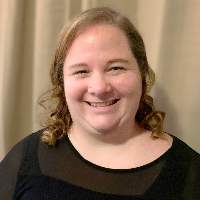
About Kimberly
Kimberly Lincoln is a Licensed Mental Health Counselor who brings 11 years of clinical experience to her work. She focuses on practical steps people can take to feel better when life feels overwhelming. Her approach centers on the individual and what they need in the moment.
She uses clear, active methods like Cognitive Behavioral Therapy to help people change unhelpful thoughts and behaviors. Dialectical Behavior Therapy skills are offered for emotion regulation and managing intense feelings.
Background and approach
Client-Centered Therapy guides how she listens and shapes sessions around each person's priorities. Kimberly has a background working with people affected by trauma, adoption and foster care issues, and complex family situations. She has also supported those navigating depression, anxiety, addictions, grief, and relationship or intimacy concerns.
That experience informs how she adapts sessions to each person’s needs. In sessions she balances short-term problem solving with longer-term goals. If a sudden stressor appears, she helps address it so progress can continue.
Motivational Interviewing is used when people need help finding the will to change. Clients can expect a straightforward style that aims to reduce symptoms while building skills. She holds licenses in Florida and North Carolina, and practices from North Carolina.
Sessions are offered using a mix of video calls, phone, live chat, and text messaging.
How her approaches work in online sessions
Client-Centered Therapy focuses on listening and adapting sessions to the person's needs, creating space for them to set goals and guide the work. It helps when someone wants a supportive, nonjudgmental therapist who follows their pace.Cognitive Behavioral Therapy (CBT) teaches concrete skills to change unhelpful thoughts and behaviors. It is useful for anxiety, depression, and many everyday problems because it emphasizes practice and measurable steps.
Dialectical Behavior Therapy (DBT) offers emotion regulation, distress tolerance, and interpersonal skills. It is often used when strong emotions or impulsive reactions interfere with daily life.
Finding the right approach is part of the work together. The therapist and client will review goals, try techniques, and adjust methods based on what helps most. This collaborative process aims to match strategies to the individual's needs and preferences.
Online therapy lets people access these methods through video calls, phone, live chat, or text-based messaging. Video sessions work well for in-depth conversations and skill demonstrations. Phone sessions can fit into a busy day or require less bandwidth. Live chat and text messaging are useful for shorter check-ins, homework review, or when messaging feels easier than talking. These options offer flexibility so therapy can fit around work, family, and other commitments.
Frequently asked questions
What kinds of concerns does she address?
What is her therapeutic style like?
How long has she been practicing?
Where is she licensed and located?
Which languages are supported?
Can international clients work with her?
How are sessions delivered?
How does payment and getting started work?
Specialties and expertise
Top specialties
- Stress, Anxiety
- Relationship issues
- Family conflicts
Also works with
- Abandonment
- Addictions
- ADHD
- Adoption and foster care
- Anger management
- Attachment issues
- Bipolar disorder
- Blended family issues
- Body image
- Career difficulties
- Caregiver issues and stress
- Co-morbidity
- Coaching
- Codependency
- Commitment issues
- Communication problems
- Compassion fatigue
- Control issues
- Coping with life changes
- Coping with natural or human-caused disaster
- Depression
- Disruptive Mood Dysregulation Disorder (DMDD)
- Divorce and separation
- Domestic violence
- Eating and food-related issues
- Emptiness
- Family of origin issues
- Family problems
- Forgiveness
- Gender dysphoria
- Grief
- Guilt and shame
- Immigration issues
- Impulsivity
- Infidelity
- Intimacy-related issues
- Isolation / loneliness
- LGBT
- Life purpose
- Mood disorders
- Obsessions, compulsions, and OCD
- Panic disorder and panic attacks
- Parenting issues
- Personality disorders
- Phobias
- Post-traumatic stress
- Seasonal Affective Disorder (SAD)
- Self esteem
- Self-harm
- Sexuality
- Trauma and abuse
- Women's issues
- Workplace issues
- Young adult issues
Therapeutic approaches
- Experience
- 11 years
- Licensed
- Florida, North Carolina
- Languages
- English