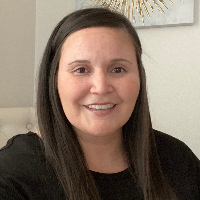
About Maria
Maria Castro is a licensed mental health counselor practicing in Washington. She brings 12 years of experience and offers therapy in English and Spanish. She works with people dealing with stress, anxiety, depression, trauma, and mood concerns.
Maria focuses on practical support that fits each person's life. She takes a person-centered approach and sees clients as the expert on their own experience. Sessions emphasize strengths, respect, and cultural sensitivity.
Maria listens closely to what matters most and helps set clear, achievable goals.
Background and approach
Her work often uses cognitive behavioral tools to notice unhelpful thought and behavior patterns. She also uses solution-focused techniques to build on strengths and find steps that actually change day-to-day life. These approaches are adapted to each person’s needs and preferences.
Maria has supported people facing relationship and parenting struggles, low self-esteem, anger, and grief. She also has experience with trauma, dissociation, domestic violence, and disaster-related stress. She helps people with bipolar disorder, ADHD, postpartum depression, and panic symptoms.
Sessions are practical and collaborative. Maria helps people develop coping skills, communication strategies, and ways to re-engage with purpose. If someone is ready to work toward change, she offers steady encouragement and clear next steps.
How Maria’s Approaches Translate to Online Care
Client-Centered Therapy means the therapist listens without judgment and follows the client's priorities to set goals and next steps. This approach helps when someone needs support to regain a sense of control and purpose. Cognitive Behavioral Therapy, or CBT, focuses on identifying unhelpful thoughts and testing small behavior changes. It is useful for anxiety, depression, and panic symptoms because it gives concrete skills to try between sessions.Choosing the right approach is a collaborative process. The therapist will discuss goals, try methods that match those goals, and adjust as needed. Clients and the therapist decide together which techniques fit best for the situation and personality.
Online therapy offers several practical benefits. Video calls let people work face to face from wherever they are and allow more visual connection. Phone sessions can be easier when bandwidth is limited or when being on camera feels difficult. Live chat or text-based messaging works well for brief check-ins, quick coping tools, or people who prefer writing to speaking. These options can make it easier to fit therapy into a busy schedule and keep momentum between sessions.
Frequently asked questions
What concerns does she commonly address?
What is her therapeutic style like?
How much clinical experience does she have?
Where is she licensed and based?
Which languages are supported during sessions?
What formats are available for online sessions?
How are sessions paid for and what does it cost?
How do I begin working with her?
Specialties and expertise
Top specialties
Also works with
- ADHD
- Anger management
- Bipolar disorder
- Communication problems
- Control issues
- Coping with life changes
- Coping with natural or human-caused disaster
- Dissociation
- Domestic violence
- Family conflicts
- Forgiveness
- Guilt and shame
- Infidelity
- Isolation / loneliness
- LGBT
- Life purpose
- Mood disorders
- Multicultural concerns
- Panic disorder and panic attacks
- Parenting issues
- Post-traumatic stress
- Postpartum depression
- Pregnancy and childbirth
- Relationship issues
- Seasonal Affective Disorder (SAD)
- Self esteem
- Self-love
- Social anxiety and phobia
- Trichotillomania
- Women's issues
- Workplace issues
- Young adult issues
Therapeutic approaches
- Experience
- 12 years
- Licensed
- Washington
- Languages
- English, Spanish