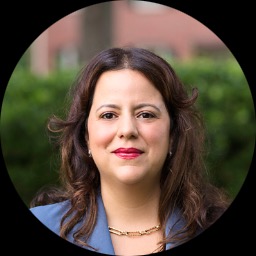
About Maria
Maria Eaton is a licensed mental health counselor practicing in Massachusetts. She has three years of professional experience helping people who feel overwhelmed by stress, anxiety, or depression. She also supports those facing life changes and people pursuing coaching to clarify goals and direction.
She focuses on helping clients build self-understanding and stronger self-esteem. Sessions often aim to reduce isolation and loneliness while addressing guilt, shame, and problems in communication.
Background and approach
Maria emphasizes simple, usable tools you can try between meetings. Her approach centers on fostering self-compassion and reconnecting people with a sense of purpose. She listens with curiosity and asks concrete questions that help uncover patterns in thinking and behavior.
This helps clients make small, steady changes that add up over time. Maria aims to make sessions practical and approachable. Conversations include goal-setting, strategies for coping with tough moments, and exercises to practice self-love and forgiveness.
She describes therapy as a collaborative process rather than a lecture. People working with Maria will generally find a calm, down-to-earth style. She helps clients turn insight into action, whether that means improving communication, managing anxiety, or exploring life purpose.
The aim is clearer direction and better day-to-day coping.
Approaches that guide online sessions
Evidence-based techniques are used to help people manage distress and clarify goals. One common approach focuses on practical coping skills - teaching specific strategies for managing anxiety, improving sleep, and lowering stress in daily life. These tools are aimed at immediate relief and steadier routines.Another approach concentrates on building self-compassion and addressing shame or guilt. This work involves exercises and conversational practices that help people treat themselves more kindly and repair strained self-image. It is useful for improving self-esteem and easing isolation.
Finding the right approach is part of the work together. The therapist collaborates with each person to match methods to their goals, needs, and preferences. If something isn’t helping, adjustments are made so the process stays relevant and practical.
Online formats include video calls, phone sessions, live chat, and text-based messaging, giving flexibility in how people connect. Video sessions allow face-to-face conversation and screen-sharing for worksheets. Phone sessions use less bandwidth and can be easier to fit into a break at work. Chat and messaging work well for brief check-ins, ongoing coaching, and written exercises that can be revisited between sessions.
Frequently asked questions
What kinds of concerns does she help with?
How would you describe her therapy style?
What is her background and experience?
What credentials does she hold and where is she based?
Are sessions offered in other languages or internationally?
What formats are available for sessions?
How is cost handled for therapy?
What are the first steps to start working together?
Specialties and expertise
Top specialties
Also works with
- Experience
- 3 years
- Licensed
- Massachusetts
- Languages
- English