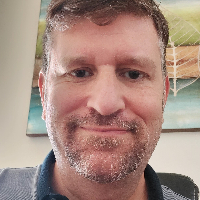
About Mark
Mark Gruber is a licensed mental health counselor with 20 years of experience. He focuses on practical, down-to-earth work around stress, anxiety, addictions, mood issues, and LGBT concerns. He draws on straightforward conversation, humor, and rapport to help people feel heard and move forward.
He describes his own long-term recovery from substance use as part of his perspective, which informs his approach to drug and alcohol addiction. He also supports people dealing with depression, bipolar symptoms, grief, and difficulties with intimacy and self-esteem.
Background and approach
Sessions aim to be collaborative and goal-focused rather than abstract. In practice he blends client-centered ways of listening with tools from cognitive behavioral therapy and motivational interviewing. That means sessions usually include active problem solving, spotting unhelpful thinking patterns, and building small, manageable steps toward change.
Mindfulness techniques and solution-focused strategies are used when they fit the client's goals. Mark works with adults on career stress, relationship challenges, family of origin issues, and finding life purpose. He takes a practical tone and tries to keep things candid and friendly.
People can expect direct conversation about behaviors, feelings, and realistic next steps. He is based in Florida and sees people in English. For many clients he offers a mix of session styles to match needs and schedules.
Starting therapy typically begins with a short intake to clarify goals and agree on a plan together.
Practical approaches for online therapy and change
Mark brings client-centered listening and cognitive behavioral techniques into online sessions. Client-Centered Therapy focuses on listening with empathy and building a trusting relationship, which helps people feel comfortable talking about tough topics. Cognitive Behavioral Therapy identifies unhelpful thinking and behavior patterns, then tests simple changes to reduce anxiety, manage mood, and address addictive behaviors.He treats finding the right approach as a team effort. Sessions start by clarifying goals and trying different tools together. Over a few meetings he will adjust methods to match what the person prefers and what helps them make steady progress.
Online formats include video calls, phone sessions, live chat, and text-based messaging. Video works well for in-depth conversation and visual cues, phone can be a quicker check-in or better when bandwidth is limited, live chat suits shorter exchanges, and texting supports ongoing reminders or brief updates between sessions. These options make it easier to fit therapy into work, family, or recovery routines.
Frequently asked questions
What kinds of problems does he help address?
What is his general therapy style?
How much experience does he have?
What credentials and location are listed?
Which languages and international options are available?
What session formats are offered?
How is cost handled for sessions?
How do I begin working with him?
Specialties and expertise
Top specialties
Also works with
- ADHD
- Anger management
- Bipolar disorder
- Career difficulties
- Communication problems
- Coping with life changes
- Depression
- Drug and alcohol addiction
- Family conflicts
- Family of origin issues
- Grief
- Intimacy-related issues
- Life purpose
- Mood disorders
- Relationship issues
- Self esteem
- Sexuality
Therapeutic approaches
- Experience
- 20 years
- Licensed
- Florida
- Languages
- English