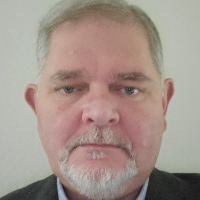
About Mark
Mark Rogers is a Florida-based licensed mental health counselor with 15 years of clinical practice. He focuses on helping people manage stress, anxiety, grief, trauma, depression, ADHD, addictions, and related life challenges in a straightforward, goal-focused way. He centers sessions on the relationship between counselor and client.
He asks what the client wants to change and works toward those goals rather than prioritizing labels. Meetings are practical and collaborative, with an emphasis on everyday steps people can use between appointments.
Background and approach
Mark blends several approaches to fit each person’s needs. He commonly draws on cognitive behavioral strategies to shift unhelpful thinking and acceptance and commitment ideas to build valued life changes. Dialectical skills are used when emotion regulation and distress tolerance are priorities, and EMDR methods may be brought in when trauma processing is needed.
His background includes many years working in counseling and coaching roles focused on career and daily functioning. That mix informs a pragmatic, skills-oriented style that also preserves compassion and respect for each client’s experience. He encourages clients to notice progress in small, measurable ways.
Mark works with a wide range of concerns, including parenting stress, relationship and communication problems, anger, self-esteem, bipolar and mood concerns, sleep and somatic issues, and challenges tied to military or veteran experience. Sessions aim to leave people with concrete tools and a clearer path forward.
How these approaches translate to online work
Acceptance and Commitment Therapy (ACT) helps people clarify what matters to them and take small actions toward those values. It is useful for anxiety, depression, and coping with life changes. Cognitive Behavioral Therapy (CBT) focuses on changing thought and behavior patterns that get in the way of daily functioning, making it handy for worry, panic, and mood problems. Eye Movement Desensitization and Reprocessing (EMDR) addresses traumatic memories by using structured processing techniques to reduce their emotional impact; it can be offered when trauma is a central concern.Choosing the right approach is part of the process and happens together. The therapist will talk with each person about goals, past experiences, and what feels most workable. From there he blends methods in a collaborative way so sessions match the client’s needs and preferences.
Online therapy makes these methods more flexible. Video calls let the therapist and client work face to face for skill teaching and EMDR-style processing. Phone sessions can be a good option when bandwidth is limited or a quieter check-in is needed. Live chat and text-based messaging support brief check-ins, coaching-style prompts, or between-session practice. These formats allow therapy to fit into work, family, and day-to-day life while keeping the focus on practical progress.
Frequently asked questions
What kinds of problems does this therapist help with?
How would you describe his therapy style?
What is his professional background?
What credentials and location are listed?
Which languages are supported for sessions?
What session formats are available?
How are fees handled?
How do I begin working with him?
Specialties and expertise
Top specialties
Also works with
- Addictions
- ADHD
- Anger management
- Bipolar disorder
- Blended family issues
- Career difficulties
- Coaching
- Communication problems
- Coping with life changes
- Coping with natural or human-caused disaster
- Depression
- Family conflicts
- Family of origin issues
- Family problems
- Fatherhood issues
- Forgiveness
- Impulsivity
- LGBT
- Men's issues
- Panic disorder and panic attacks
- Parenting issues
- Post-traumatic stress
- Relationship issues
- Self esteem
- Self-harm
- Sleeping disorders
- Somatization
- Veteran and Armed Forces Issues
- Young adult issues
Therapeutic approaches
- Experience
- 15 years
- Licensed
- Florida
- Languages
- English