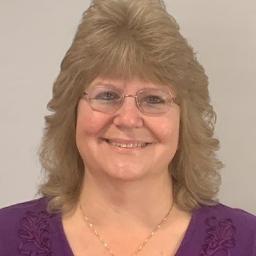
About Mary
Mary Booth is a Licensed Mental Health Counselor (LMHC) based in New York with 29 years of experience supporting people facing stress, anxiety, addiction, grief, low self-esteem, and depression. She brings a steady presence and practical focus to conversations about everyday struggles. Mary aims to help clients identify manageable steps and regain a sense of control.
Her approach is flexible rather than one-size-fits-all. She draws on client-centered methods to listen and understand each person’s priorities.
Background and approach
Cognitive behavioral techniques are used to spot unhelpful thinking and practice different responses. Dialectical behavior ideas and mindfulness tools help with emotional regulation and staying grounded in the moment. Mary often works with people dealing with life transitions, caregiver stress, aging and geriatric concerns, and addiction-related challenges.
She also addresses communication problems, codependency, feelings of emptiness, guilt and shame, and workplace stress. Sessions focus on clear goals and skills people can use between meetings. Her style is warm, patient, and straightforward.
She encourages clients to set realistic steps and notice small changes over time. Conversations tend to be practical, with an emphasis on what a person can try right away. Mary combines decades of experience with an adaptable toolkit.
She helps people find approaches that match their needs and values, then supports them as they practice new ways of coping and relating.
Approaches that fit your life online
Client-Centered Therapy focuses on listening and understanding a person’s goals. The therapist follows the client’s lead and helps them clarify what matters most and which small steps to try. Cognitive Behavioral Therapy, or CBT, looks at patterns of thought and behavior and offers simple exercises to test different ways of thinking and acting. It can help with anxiety, low mood, and workplace stress. Dialectical Behavior Therapy, or DBT, teaches skills for managing intense emotions and improving relationships through practical tools for distress tolerance and emotional regulation.Finding the right approach is a collaborative process. The therapist will talk with the client about goals, preferences, and what has or hasn’t worked before. Together they decide which methods to try and adjust the plan as progress and needs change.
Online therapy offers flexibility through video calls, phone sessions, live chat, and text-based messaging. Video calls let people use visual cues and a fuller conversation. Phone sessions can be easier when bandwidth is limited or for a quick check-in. Live chat and text messaging make it possible to get brief support or to write through thoughts over time. These options help fit therapy into busy days and varied routines.
Frequently asked questions
What kinds of issues does Mary address?
How would you describe her therapy style?
How long has she been practicing?
What are her professional credentials and location?
Which languages are sessions offered in?
What session formats are available?
How is cost handled for sessions?
What should I do to begin working together?
Specialties and expertise
Top specialties
Also works with
Therapeutic approaches
- Experience
- 29 years
- Licensed
- New York
- Languages
- English