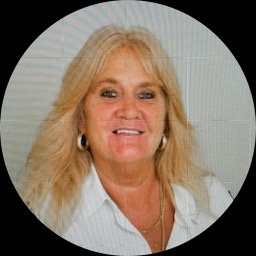
About Mary
Mary (Gina) Arnold uses a blend of practical, evidence-informed approaches to help people manage stress, anxiety, addictions, relationship strain, and low self-esteem. She is a licensed mental health counselor - LMHC - practicing in Florida and brings five years of clinical experience to her work. Her manner is straightforward and respectful, aimed at making therapy feel doable even when life feels overwhelming.
She often focuses on small, actionable changes that add up over time.
Background and approach
Sessions include talking through current problems, learning new skills to handle strong feelings, and setting realistic goals for change. Gina adapts conversations and plans to match each person’s needs rather than following a one-size-fits-all script. Her practice addresses issues such as codependency, control struggles, divorce and separation, and drug and alcohol addiction.
She also helps with guilt and shame, impulsivity, workplace stress, life purpose, and concerns common to young adults and women. These topics are explored with attention to what matters most to the person in front of her. Gina draws on approaches like Acceptance and Commitment Therapy, Cognitive Behavioral Therapy, and mindfulness strategies to teach coping skills and shift unhelpful patterns.
Motivational Interviewing and client-centered work help people find their own reasons to change and feel heard. Therapy is presented as a collaboration. Gina emphasizes practical steps, steady support, and building self-compassion so people can move toward clearer choices and greater confidence.
How therapy approaches translate to online care
Acceptance and Commitment Therapy helps people clarify personal values and take small steps toward them. It uses simple exercises to notice thoughts and choose actions that fit a person’s goals, which can help with anxiety, low motivation, and life purpose concerns.Cognitive Behavioral Therapy focuses on identifying unhelpful thoughts and testing new behaviors. It teaches concrete tools for managing anxiety, mood shifts, and impulsive reactions through practice and short between-session exercises.
Client-Centered Therapy emphasizes listening and empathy so people feel understood while they work through hard topics like relationship strain, guilt, or shame. That supportive stance helps people gain confidence to try new ways of coping.
Finding the right approach is part of the work. The therapist will collaborate with the person to choose or combine methods based on goals and preferences. This usually means trying a few techniques and keeping what helps most.
Online sessions are offered by video calls, phone, live chat, or text-based messaging to fit different needs. Video is useful for in-depth conversations and practicing skills together. Phone sessions can be a good option when bandwidth is limited or a shorter check-in is needed. Chat and text messaging support quick reflections, reminders, and ongoing motivation between visits. These formats aim to make it easier to fit regular work on goals into a busy life.
Frequently asked questions
What concerns does this therapist help with?
What is her general approach in sessions?
How much clinical experience does she have?
What credentials and location are listed?
Which languages are supported for sessions?
Can international clients work with her?
What formats are available for online sessions?
How are costs and getting started handled?
Specialties and expertise
Top specialties
- Stress, Anxiety
- Addictions
- Relationship issues
Also works with
Therapeutic approaches
- Experience
- 5 years
- Licensed
- Florida
- Languages
- English