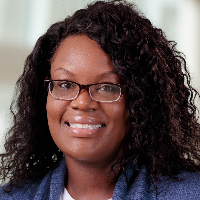
About Maxine
Dr. Maxine Notice is a licensed mental health counselor who brings 11 years of experience to her practice in Nebraska. She has worked across settings including community mental health clinics and hospitals.
She focuses on practical support for people facing depression, stress, relationship concerns, and major life changes. She helps people build step-by-step plans to manage everyday problems. Sessions often include goal setting and skills practice.
Dr. Notice uses approaches that teach concrete tools people can use between sessions.
Background and approach
Her background includes clinical work in New York and New Hampshire as well as Nebraska. That variety has shaped how she helps with grief, illness adjustment, pain management, and the emotional impact of diagnoses. She also supports people coping with addiction, trauma and abuse, and identity-related concerns in the LGBT community.
In the therapy room Dr. Notice emphasizes teamwork and realistic steps. She aims to meet clients where they are and create tailored action plans.
The focus is on small, achievable changes that add up over time. Her work blends evidence-based strategies like cognitive behavioral and solution-focused techniques with narrative and dialectical tools when helpful. Over time clients learn skills to manage mood, reduce distress, and improve communication.
The pace and methods are adjusted to each person’s goals and situation.
How these approaches work online
CBT, or cognitive behavioral therapy, looks at how thoughts and behaviors keep problems going and teaches practical strategies to change them, such as tracking moods and testing unhelpful thoughts. It is often used for anxiety, depression, and stress-related issues.Solution-Focused Therapy centers on identifying goals and small steps toward them. Sessions focus on what’s already working, the client’s strengths, and simple action plans to move forward quickly.
Finding the right approach is part of the work. The therapist will talk with each person about goals, preferences, and what feels useful. Together they decide whether CBT, solution-focused work, or elements of narrative or dialectical methods fit best and adjust the plan over time.
Online sessions can use video calls, phone sessions, live chat, or text messaging to match different needs. Video is useful for full conversations and visual cues. Phone sessions can be easier when bandwidth is limited or a quieter audio check-in is needed. Live chat and text-based messaging allow short check-ins, journaling-style reflections, and flexible communication between appointments. These options make it easier to fit therapy into a workday, caregiving schedule, or busy life.
Frequently asked questions
What concerns does she typically address?
What is her therapeutic style like?
How much experience does the therapist have?
What credentials and location are listed for this clinician?
Which languages are offered for sessions?
What session formats are available?
How is cost handled for sessions?
How do I begin working with this therapist?
Specialties and expertise
Top specialties
- Stress, Anxiety
- Relationship issues
- Family conflicts
Also works with
- Addictions
- Anger management
- Bipolar disorder
- Coping with life changes
- Depression
- Grief
- Intimacy-related issues
- LGBT
- Parenting issues
- Self esteem
- Trauma and abuse
Therapeutic approaches
- Experience
- 11 years
- Licensed
- Nebraska, New Hampshire, New York
- Languages
- English