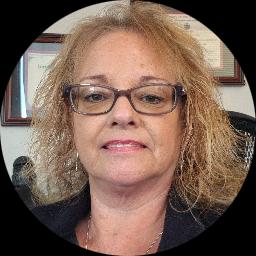
About Michelle
Michelle Nitschke is a Licensed Mental Health Counselor in New York with three decades of clinical experience. She helps people who are feeling overwhelmed by stress, anxiety, depression, relationship problems, trauma and abuse, or anger. Michelle treats each person as the expert on their life and focuses on practical steps that fit their situation.
She emphasizes a supportive, collaborative approach. Sessions aim to identify strengths and build small, doable changes.
Background and approach
Michelle listens closely and offers techniques that match what a person needs and can use between sessions. Her work draws on several evidence-based methods. Cognitive Behavioral Therapy (CBT) is used to notice and change unhelpful thinking and behavior.
Attachment-based and emotionally focused ideas help with relationship patterns and deeper emotional connection. She also uses the Gottman Method tools where relationship skills are a focus. Michelle has worked in mental health for 30 years and brings that breadth of experience to everyday problems.
She describes the process as a team effort, with clear goals and practical homework when helpful. Her aim is to help people feel steadier and more able to handle life's demands. Sessions can include conversation, skill-building, and guided reflection.
The focus is on what will make a difference in day-to-day life, not on labels. Michelle offers calm, steady support while helping people move toward clearer goals.
How therapy approaches translate to online sessions
Attachment-based work focuses on how people form emotional bonds and patterns with others; online sessions use conversations and guided reflection to identify those patterns and shift them toward safer connection. Cognitive Behavioral Therapy, or CBT, helps people spot unhelpful thoughts and behaviors and test small changes; online sessions often include brief skill practice and worksheets that can be reviewed together. Emotionally-Focused Therapy looks at core emotions and how they shape reactions in relationships; it uses focused conversations to increase emotional awareness and change interaction patterns.Finding the right approach is part of the work. The therapist collaborates with each person to choose which methods fit their needs, goals, and comfort level. That collaborative plan can change over time as goals evolve and progress is made.
Online therapy is offered via video calls, phone sessions, live chat, or text-based messaging to make sessions more flexible. Video works well for face-to-face conversation, phone can be easier when bandwidth is low, live chat allows shorter check-ins, and messaging supports ongoing reflection between sessions. These options help people fit care around work, family, and daily life while keeping the focus on practical progress.
Frequently asked questions
What concerns does she help with?
What is her general therapy style?
How much clinical experience does she have?
What credentials and region are listed?
Which languages are supported?
What session formats are available?
How does pricing work?
How do I begin working with this therapist?
Specialties and expertise
Top specialties
- Stress, Anxiety
- Relationship issues
- Trauma and abuse
Also works with
- Anger management
- Depression
Therapeutic approaches
- Experience
- 30 years
- Licensed
- New York
- Languages
- English