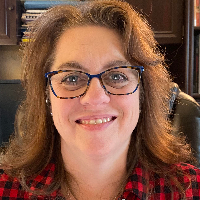
About Michelle
Michelle Perry is a Licensed Mental Health Counselor who helps people facing grief, loss, depression, anxiety, and problems with addiction or self esteem. She also supports people dealing with relationship stress, family conflict, trauma and abuse, and compassion fatigue. Michelle works to meet people where they are and to set practical goals together.
She uses a collaborative, warm style in sessions. She listens first, then helps clients pick steps that fit their life.
Background and approach
Humor and straightforward talk are part of how she connects with people. Sessions focus on what a person wants to change and on small, doable actions. Michelle draws on approaches such as attachment-based work, cognitive behavioral therapy, dialectical behavior therapy, mindfulness, narrative techniques, and EMDR for trauma-related concerns.
She tailors these methods to each person's needs rather than using a one-size-fits-all plan. That means some sessions focus on skills, while others focus on processing past events. Her background includes clinical work in long-term care and hospice settings, and she brings that experience to conversations about aging, caregiver stress, and end-of-life concerns.
Michelle holds a Master’s degree in Professional Counseling and practices as an IA Licensed Mental Health Counselor and a NE Licensed Independent Mental Health Practitioner. Sessions are offered in English and delivered online through video, phone, chat, or text messaging. Michelle aims to help people find steady ways to cope with change and to rebuild confidence in everyday life.
How therapeutic approaches translate to online care
Attachment-based work looks at how early relationships affect current patterns. Online sessions use conversation and exercises to notice attachment styles and practice new ways of connecting and relating. Cognitive Behavioral Therapy, or CBT, focuses on identifying unhelpful thoughts and testing small behavior changes. In teletherapy this often means setting simple between-session tasks and reviewing progress by video or message.Finding the best approach is a team effort. The therapist will talk with each person about goals, symptoms, and life demands. Together they decide which methods to try first and adjust the plan as needs change, so therapy stays practical and relevant.
Online formats include video calls, phone sessions, live chat, and text-based messaging. Video is useful for in-depth conversation and skill practice. Phone sessions can be a good option when bandwidth is limited or a shorter check-in fits a busy day. Live chat and text messaging work well for ongoing support, quick updates, and brief skills coaching between longer sessions. These options make therapy more flexible and easier to fit into everyday life.
Frequently asked questions
What concerns does Michelle help with?
How would you describe her therapy style?
What is her clinical background?
What credentials and region apply to this therapist?
Which languages are supported in sessions?
What session formats are available?
How does cost and billing work?
How do I begin working with Michelle?
Specialties and expertise
Top specialties
Also works with
- Addictions
- Aging and geriatric issues
- Attachment issues
- Caregiver issues and stress
- Codependency
- Compassion fatigue
- Coping with life changes
- Family conflicts
- Family of origin issues
- Family problems
- First responder issues
- Forgiveness
- Guilt and shame
- Hospice and end-of-life counseling
- Isolation / loneliness
- LGBT
- Mood disorders
- Post-traumatic stress
- Relationship issues
- Self esteem
- Trauma and abuse
Therapeutic approaches
- Experience
- 3 years
- Licensed
- Nebraska, Iowa
- Languages
- English