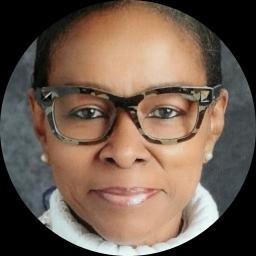
About Michelle
Michelle Waters Tout is a licensed clinician practicing in New York with 18 years of experience. She holds a Licensed Marriage and Family Therapist credential and a Licensed Mental Health Counselor credential and brings steady, practical support to people facing hard moments. She helps with stress and anxiety, anger, and depression.
She also addresses family concerns, grief and loss, and problems that come up at work. Michelle offers calm guidance and straightforward tools to manage day-to-day strain.
Background and approach
Her approach is warm and nonjudgmental. Sessions focus on what matters most to each person and on small, doable steps that create change. Conversations aim to clarify values, build coping skills, and reduce painful symptoms over time.
Michelle uses a mix of methods such as acceptance and commitment ideas, cognitive behavioral tools, and client-centered ways of working. She tailors those methods to match each person's goals and pace rather than following one fixed plan. People meeting with her can expect a collaborative tone.
She listens first, then helps set goals and track progress. The work often involves practicing new responses between sessions and checking what does and does not help.
Approaches that translate well to online care
Acceptance and Commitment Therapy (ACT) helps people notice difficult thoughts and feelings without getting stuck in them, then choose actions that match their values. It can be useful for anxiety, stress, and grief by shifting focus toward meaningful activity. Cognitive Behavioral Therapy (CBT) breaks problems into thoughts, feelings, and behaviors and teaches practical skills to change unhelpful patterns. CBT is often used for anxiety, depression, and workplace stress. Client-Centered Therapy emphasizes listening and a supportive relationship so people feel heard and better able to explore what matters to them.Choosing the right approach is often part of early sessions. The therapist will talk with the person about goals, preferences, and what has helped in the past. Together they will adapt methods and try small experiments to see what fits best, adjusting the plan as progress is tracked.
Online formats include video calls, phone sessions, live chat, and text-based messaging, which can make it easier to fit therapy into a busy life. Video is good for face-to-face conversation and teaching exercises, while phone sessions can be lighter on bandwidth. Live chat and text are useful for brief check-ins, quick skill coaching, or when someone prefers writing. These options allow scheduling flexibility and let people maintain continuity of care from different locations.
Frequently asked questions
What concerns does this therapist address?
What is her therapy style like?
How much clinical experience does she have?
What credentials and location are listed for this clinician?
Which languages are sessions offered in?
What session formats are available?
How are fees and payments handled?
How do I begin working with this therapist?
Specialties and expertise
Top specialties
- Stress, Anxiety
- Family conflicts
- Grief
Also works with
Therapeutic approaches
- Experience
- 18 years
- Licensed
- New York
- Languages
- English