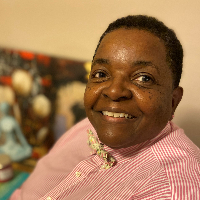
About Michelle
Michelle Taft Webb helps people facing stress, anxiety, depression, addiction, relationship strain, grief, and trauma. She also supports those dealing with self-esteem, sleeping problems, anger, career questions, and other life transitions. Michelle is a Licensed Professional Counselor, LPC, and a Licensed Mental Health Counselor, LMHC, practicing in Texas.
Her approach is practical and direct. She uses tools from Cognitive Behavioral Therapy, Motivational Interviewing, mindfulness, existential thinking, and narrative work. Sessions focus on clear goals, small experiments, and learning skills that fit day-to-day life.
Background and approach
Michelle has over a decade of experience in community mental health and addiction settings. That background means she is familiar with a wide range of challenges and common barriers to getting help. When a need falls outside her scope she refers people on to appropriate services.
In sessions she listens closely and helps people sort through difficult feelings and decisions. Conversations aim to make problems easier to understand and to create steps people can try between meetings. Michelle works with adults on issues including family of origin concerns, caregiver stress, and midlife changes.
Her work blends structured techniques with space to reflect on meaning and purpose. That mix can help with both short-term coping and longer-term change. Michelle offers therapy in formats that fit busy lives and varying schedules.
How therapeutic approaches work online
Michelle commonly uses Cognitive Behavioral Therapy and Mindfulness Therapy in online sessions. CBT focuses on identifying unhelpful thoughts and testing small changes in behavior, which can help with anxiety, depression, and sleep problems. Mindfulness Therapy teaches simple meditation and attention skills to reduce reactivity and improve stress management.She also uses Motivational Interviewing to support change around addictions and behavior shifts, using open questions and collaborative planning to increase motivation and commitment. These methods are explained in plain terms and adapted to each person’s situation so they are practical and doable.
Choosing the right approach is a team effort. The therapist will talk with the client about goals, try techniques, and adjust over time based on what helps most. That collaborative process makes it easier to find tools that fit a person’s life and preferences.
Online therapy offers flexible ways to connect, including video calls for face-to-face conversation, phone sessions when bandwidth is limited, live chat for shorter check-ins, and text messaging for ongoing support between meetings. These options make it easier to fit therapy into work, caregiving, or travel schedules and to use the format that feels most comfortable.
Frequently asked questions
What concerns does she help with?
How would you describe her therapeutic style?
What kind of background does she bring to sessions?
What credentials and location are listed?
Are sessions offered in other languages or internationally?
What session formats are available?
How are costs handled for sessions?
How do I begin working together?
Specialties and expertise
Top specialties
Also works with
- Abandonment
- Anger management
- Career difficulties
- Caregiver issues and stress
- Communication problems
- Control issues
- Coping with life changes
- Depression
- Divorce and separation
- Domestic violence
- Drug and alcohol addiction
- Family conflicts
- Family of origin issues
- Family problems
- Forgiveness
- Grief
- HIV / AIDS
- Infidelity
- Intimacy-related issues
- LGBT
- Life purpose
- Men's issues
- Midlife crisis
- Money and financial issues
- Mood disorders
- Multicultural concerns
- Post-traumatic stress
- Prejudice and discrimination
- Relationship issues
- Self-love
- Sleeping disorders
- Trauma and abuse
- Veteran and Armed Forces Issues
- Women's issues
Therapeutic approaches
- Experience
- 12 years
- Licensed
- Texas, Washington
- Languages
- English