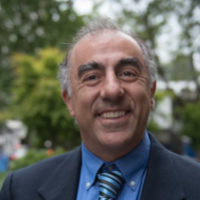
About Mohammad
Mohammad Bader is a licensed counselor who helps people facing stress, anxiety, depression, grief, and relationship concerns. He brings 25 years of experience and aims to make therapy straightforward and practical for everyday life. He creates a warm, respectful space where people can talk about identity, prejudice, and multicultural stress.
His work often focuses on people coping with trauma, addiction, sleep problems, and ADHD. He also supports those dealing with first responder issues, immigration challenges, and gender dysphoria.
Background and approach
Bader’s approach mixes evidence-based methods with a person-centered attitude. He listens first, then works with each person to set clear goals. Sessions tend to include skills practice, values clarification, and ways to manage difficult emotions in the moment.
Clients can expect plain talk, practical tools, and attention to cultural background. He emphasizes building resilience and improving day-to-day functioning rather than technical jargon. Therapy can include coaching-style work for career or life changes alongside treatment for mental health concerns.
Mohammad holds LPC and Licensed Mental Health Counselor credentials in Oregon. He offers services in English and Arabic, and he tailors care to the needs people bring. The aim is steady progress through realistic, manageable steps.
How his therapeutic methods translate to online work
Acceptance and Commitment Therapy (ACT) focuses on clarifying personal values and taking small committed steps toward them while learning to accept uncomfortable emotions. This approach can help with anxiety, depression, and major life transitions by turning goals into daily actions.Client-Centered Therapy centers on listening, empathy, and building a trusting relationship. It helps people feel heard and understood so they can explore identity, grief, and relationship concerns at their own pace.
Cognitive Behavioral Therapy (CBT) teaches practical skills to change unhelpful thoughts and behaviors. It is useful for managing worry, improving sleep, and reducing mood symptoms through structured practice and homework.
Finding the right method is part of the work. The therapist will talk with each person about their needs and goals and together choose approaches that fit. That collaboration can include trying different techniques and adjusting them over time based on what helps most.
Online therapy offers flexibility through video calls, phone sessions, live chat, and text-based messaging. Video calls are good for in-depth conversations and visual connection. Phone sessions can fit into a busy day or use less bandwidth. Live chat and text-based messaging work well for quick check-ins, brief coaching, or ongoing support between sessions. These options make it easier to fit therapy into work, caregiving, or irregular schedules.
Frequently asked questions
What kinds of problems does he help with?
How would you describe his therapy style?
What is his professional background?
Where is he licensed and based?
Which languages are available for sessions?
Can sessions be done online or by phone?
How are sessions paid for?
What steps start the process of working together?
Specialties and expertise
Top specialties
- Stress, Anxiety
- Relationship issues
- Grief
Also works with
- Addictions
- ADHD
- Anger management
- Career difficulties
- Coaching
- Compassion fatigue
- Coping with life changes
- Depression
- Family conflicts
- First responder issues
- Forgiveness
- Gender dysphoria
- Hearing impaired
- Immigration issues
- Infidelity
- Jealousy
- LGBT
- Multicultural concerns
- Parenting issues
- Phobias
- Prejudice and discrimination
- Self esteem
- Sleeping disorders
- Trauma and abuse
Therapeutic approaches
- Experience
- 25 years
- Licensed
- Oregon, Washington
- Languages
- English, Arabic