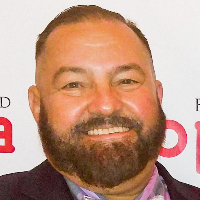
About Moises
Dr. Moises Ramy offers practical, steady support for people dealing with stress, anxiety, depression, relationship strain, trauma, addiction, and self-esteem struggles. He speaks English and Spanish and works from a Florida license as an LMHC.
He brings a calm, straightforward manner that helps people talk through immediate concerns and plan next steps. He trained as a Doctor of Clinical Psychology and completed a doctoral internship that included work in crisis settings and hospitals.
Background and approach
Over 32 years he has worked in prisons, rehab centers, community hospitals, and veteran services. That background gave him wide exposure to many life situations and ways people cope. In sessions he focuses on listening closely and helping people find realistic, concrete tools to manage symptoms.
He uses approaches that include client-centered therapy and cognitive behavioral techniques to help change unhelpful thoughts and behaviors. He also draws on motivational interviewing and solution-focused methods to set achievable goals. He has experience with issues such as bipolar disorder, addictions, trauma and abuse, parenting strain, intimacy-related problems, and LGBTQ concerns.
He also supports people facing abandonment wounds, body image problems, communication breakdowns, and immigration-related stressors. People can expect straightforward feedback, short-term goal planning, and work on skills they can use between sessions. His background in crisis work means he is familiar with suicidality assessment and acute stress situations encountered in hospitals and correctional settings.
Approaches that translate to online care
Client-centered therapy focuses on understanding a person’s experience and responding with empathy and respect. It helps people gain clarity about their feelings and encourages them to lead the pace of change. Cognitive Behavioral Therapy, or CBT, teaches specific skills to notice and shift unhelpful thoughts and behaviors, which is useful for anxiety, depression, and stress management.Finding the right approach is part of the work. The therapist will talk with the client about goals and preferences and then try methods that match their needs. That collaborative process helps tailor sessions so techniques are practical and relevant to daily life.
Online sessions can take place by video calls, phone sessions, live chat, or text-based messaging. Video is helpful when visual cues and a fuller conversation matter. Phone sessions can fit a break at work or when lower bandwidth is needed. Live chat and text messaging work well for quick check-ins, brief coaching, or ongoing support between longer sessions. These options make it easier to keep therapy consistent and to use skills in everyday moments.
Frequently asked questions
What kinds of problems does he address?
How would you describe his therapy style?
What is his professional background?
Where is he licensed and based?
Can sessions be held in languages other than English?
What formats are available for therapy sessions?
How is cost handled for sessions?
What are the steps to begin working together?
Specialties and expertise
Top specialties
- Stress, Anxiety
- Relationship issues
- Trauma and abuse
Also works with
- Abandonment
- Addictions
- Aging and geriatric issues
- Bipolar disorder
- Body image
- Co-morbidity
- Codependency
- Communication problems
- Control issues
- Coping with life changes
- Dependent personality
- Depression
- Dissociation
- Domestic violence
- Drug and alcohol addiction
- Family conflicts
- Fatherhood issues
- HIV / AIDS
- Immigration issues
- Impulsivity
- Intimacy-related issues
- Isolation / loneliness
- LGBT
- Life purpose
- Men's issues
- Mood disorders
- Obsessions, compulsions, and OCD
- Panic disorder and panic attacks
- Parenting issues
- Post-traumatic stress
- Self esteem
- Self-harm
- Social anxiety and phobia
- Veteran and Armed Forces Issues
- Women's issues
- Young adult issues
Therapeutic approaches
- Experience
- 32 years
- Licensed
- Florida
- Languages
- English, Spanish