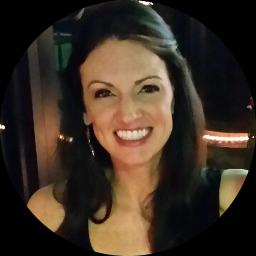
About Natosha
Dr. Natosha Monroe is a licensed counselor who brings more than 21 years of experience to her work. She holds LPC and LMHC credentials and practices from Texas.
She offers steady, practical support when life feels overwhelming and confusing. She listens first and then helps people name what matters most to them. Sessions focus on clear goals and small steps that fit everyday life.
She emphasizes strengths and reminds people of their abilities when stress or doubt takes over.
Background and approach
Her background includes education, counseling offices, inpatient settings, and international humanitarian work. That mix shaped a focus on stress, anxiety, trauma, and sleep disturbance, along with related concerns such as grief, career changes, and self-esteem. Her PhD in International Psychology and time living abroad inform work with immigrants and people who have lived internationally.
Therapy often uses practical tools from Cognitive Behavioral Therapy and mindfulness practices to reduce symptoms and change unhelpful patterns. Trauma-focused approaches are also part of her practice for people coping with past harm or ongoing trauma responses. Sessions move at a pace the client sets and emphasize skills people can use between meetings.
Dr. Monroe works with people who want both reflection and actionable strategies. She offers video calls, phone sessions, live chat, and text-based messaging to fit different schedules.
Getting started involves a short matching questionnaire and scheduling a first meeting.
Therapeutic approaches in online care
Dr. Monroe commonly uses Cognitive Behavioral Therapy and Mindfulness Therapy in online sessions. CBT focuses on identifying unhelpful thinking and testing new behaviors to reduce anxiety, panic, obsessions, or low mood. Mindfulness Therapy teaches simple attention and breathing practices to lessen reactivity and improve sleep and day-to-day focus.Trauma-focused methods are also part of her approach when past harm affects current functioning. These techniques help people make sense of painful memories, reduce strong reactions, and rebuild a sense of safety and control. Choosing which approach to use is a collaborative process and may change as goals and needs evolve.
The online format offers practical benefits for accessing care. Video calls let people use visual cues and structured conversation. Phone sessions work well when bandwidth is limited or for shorter check-ins. Live chat and text-based messaging can help maintain momentum between meetings and fit into busy schedules. These options make it easier to meet regularly and to practice new skills in real life while working with a licensed professional.
Frequently asked questions
What issues does this therapist address?
What is the style of therapy like?
How much experience does the clinician have?
What credentials and location are listed?
Which languages are offered and can international clients connect?
What session formats are available?
How is cost handled for sessions?
How do I begin working with this therapist?
Specialties and expertise
Top specialties
- Stress, Anxiety
- Trauma and abuse
- Sleeping disorders
Also works with
- ADHD
- Career difficulties
- Caregiver issues and stress
- Coaching
- Codependency
- Communication problems
- Compassion fatigue
- Coping with life changes
- Coping with natural or human-caused disaster
- Depression
- Family conflicts
- Family of origin issues
- First responder issues
- Grief
- Immigration issues
- Intimacy-related issues
- Isolation / loneliness
- LGBT
- Life purpose
- Midlife crisis
- Multicultural concerns
- Obsessions, compulsions, and OCD
- Panic disorder and panic attacks
- Parenting issues
- Post-traumatic stress
- Prejudice and discrimination
- Relationship issues
- Self esteem
- Self-love
- Social anxiety and phobia
- Women's issues
- Young adult issues
Therapeutic approaches
- Experience
- 21 years
- Licensed
- Texas, Massachusetts
- Languages
- English