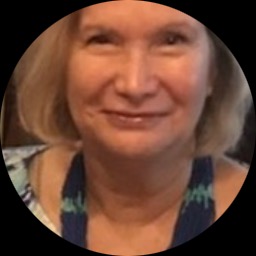
About Phyllis
Dr. Phyllis Ingram uses a straightforward, evidence-based approach to help people facing life’s hard moments. She is a licensed mental health counselor, LMHC, practicing in Florida with 30 years of experience.
Her style is calm and direct, aimed at making progress in plain language. She helps people cope with grief and loss, sleep problems, low self-esteem, and career setbacks. She also addresses anxiety, stress, depression, relationship concerns, parenting strains, and compassion fatigue.
Background and approach
Sessions focus on practical steps people can try between meetings. Dr. Ingram works with concerns tied to aging, blended family dynamics, caregiver stress, and communication problems.
She can also help when people feel isolated, empty, or stuck in a midlife transition. First responder stress, panic attacks, social anxiety, and women’s issues are within her stated focus areas. In sessions she creates an open, nonjudgmental atmosphere where thoughts and feelings can be talked through.
She emphasizes small, achievable goals and concrete coping skills. People are invited to share what matters to them and to shape the pace of work. Beginning therapy can feel daunting, and she recognizes that taking that first step takes courage.
Dr. Ingram aims to make the process clear and manageable so people can begin to feel steadier and more able to handle daily demands.
Evidence-based approaches and online care
Dr. Ingram uses evidence-based therapeutic techniques that focus on practical changes and coping skills. One common approach she applies helps people learn skills to manage anxiety and panic symptoms through short, structured exercises and gradual exposure to feared situations. Another concentrates on improving sleep by establishing routines, identifying unhelpful sleep habits, and introducing simple behavioral adjustments to promote better nights.Choosing the right method is a collaborative process. The therapist will talk with each person about goals, preferences, and what has or hasn’t helped in the past. Together they decide which techniques to try first and adjust the plan as needed based on progress and feedback.
Online therapy offers flexible ways to get help. Video calls let people use visual cues and work more deeply in sessions. Phone sessions can be easier when bandwidth is limited or when someone wants to be off camera. Live chat and text-based messaging are useful for quick check-ins, short skill practice, or keeping momentum between longer sessions. These options make it easier to fit therapy into a busy life and to continue work when in-person visits are not practical.
Frequently asked questions
What kinds of problems does this therapist address?
How would you describe the therapeutic style?
What is her professional background?
What credentials and location are listed?
Which languages are supported for sessions?
Can international clients work with this therapist?
What session formats are available?
How are fees and getting started handled?
Specialties and expertise
Top specialties
- Grief
- Sleeping disorders
- Self esteem
Also works with
- Aging and geriatric issues
- Blended family issues
- Career difficulties
- Caregiver issues and stress
- Communication problems
- Compassion fatigue
- Coping with life changes
- Depression
- Emptiness
- First responder issues
- Forgiveness
- Guilt and shame
- Isolation / loneliness
- Life purpose
- Midlife crisis
- Panic disorder and panic attacks
- Parenting issues
- Relationship issues
- Social anxiety and phobia
- Stress, Anxiety
- Women's issues
- Experience
- 30 years
- Licensed
- Florida
- Languages
- English