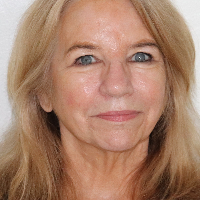
About Phyllis
Phyllis Marcus is a Licensed Marriage and Family Therapist and a Licensed Mental Health Counselor in Florida. She brings 30 years of clinical experience to sessions and focuses on practical help for day-to-day struggles. Her background covers many kinds of life challenges and relationships, and she speaks English.
Phyllis has worked with people facing stress, anxiety, depression, grief, trauma and abuse, and addictions. She also supports clients dealing with relationship strain, communication problems, and LGBT concerns.
Background and approach
Her long career includes experience with a wide range of situations and needs. In sessions she uses a flexible, person-centered style. She leans on approaches that help people notice what matters and change patterns that get in the way.
The work is described in straightforward language and aimed at real-life improvements rather than jargon. Phyllis aims to be respectful, kind, and optimistic in the room. She helps people sort through feelings, build better communication skills, and set achievable goals.
The focus is on small, steady steps toward a life that feels more like the one a person wants. Her practice includes individual work around mood and trauma, and support for relationship concerns and family-related stress. Phyllis also draws on techniques that teach coping skills and shift unhelpful thinking.
She encourages collaboration so each person’s goals shape the pace and direction of therapy.
How therapeutic approaches translate to online care
Acceptance and Commitment Therapy helps people notice thoughts and feelings without getting stuck in them and then commit to actions that reflect their values. It is useful for anxiety, depression, and stress when someone wants clearer priorities and steady steps forward.Emotionally-Focused Therapy centers on identifying feelings and changing interaction patterns that create distance in relationships. It is aimed at people who want more stable connection and improved communication with partners or family members.
Choosing the right approach is collaborative. The therapist will talk with the client about goals, preferences, and what has or hasn’t worked before. Together they decide which methods to try and adjust the plan as progress is made.
Online sessions are offered by licensed professionals using video calls, phone sessions, live chat, or text-based messaging. Video calls work well for face-to-face conversation and interactive exercises. Phone sessions can be a good option when bandwidth is limited or a quieter audio check-in is needed. Live chat and text messaging are useful for shorter check-ins, real-time support during the day, or when writing out thoughts helps with clarity.
These options give flexibility to fit therapy into work, family life, or travel, while keeping the focus on steady progress and practical skill-building.
Frequently asked questions
What kinds of concerns does she help with?
What is her therapy style like?
How much clinical experience does she have?
What credentials does she hold and where is she based?
Are sessions available in other languages or internationally?
Which session formats are offered?
How is cost handled for sessions?
What should I do to begin therapy?
Specialties and expertise
Top specialties
- Stress, Anxiety
- Relationship issues
- Trauma and abuse
Also works with
- Addictions
- Communication problems
- Depression
- Family conflicts
- Grief
- LGBT
Therapeutic approaches
- Experience
- 30 years
- Licensed
- Florida
- Languages
- English