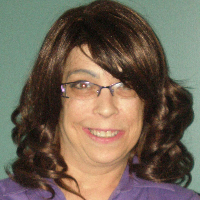
About Rachel
Dr. Rachel Kinison welcomes people who are juggling stress, anxiety, grief, or big life changes and need a steady, practical guide. She introduces herself simply as Rachel and focuses on straightforward, usable tools for daily life.
Rachel brings nearly 20 years of counseling experience and works from Illinois as a Licensed Clinical Professional Counselor, with an additional credential as a Licensed Mental Health Counselor in Florida. Rachel’s style is down-to-earth and flexible.
Background and approach
She uses cognitive-behavioral ideas to help people notice and shift unhelpful thoughts and behaviors. She also draws on trauma-informed methods and narrative approaches to help people make sense of painful events and the stories they tell themselves. Sessions often include simple relaxation and coping skills people can use right away.
Her background includes work in community counseling, hospital behavioral health units, and adult probation programs. She has led individual and group therapy and has focused work with people impacted by trauma and PTSD. That range helps her match techniques to what a person actually needs rather than assuming one method fits everyone.
Rachel manages several chronic health conditions herself and says that lived experience informs her empathy and practical problem solving. Outside work she enjoys quiet evenings with her Basset Hound and Beagle, traveling, and cooking. She frames therapy as collaborative: the client solves problems and she helps point the way.
Therapeutic approaches and online options
Rachel often uses Cognitive Behavioral Therapy to help people identify thought patterns that feed anxiety or low mood and then practice small behavior changes that lead to improvement. She also incorporates Trauma-Focused Therapy to help people safely process painful events and reduce the ways past trauma shapes current reactions. Narrative Therapy is used to reframe personal stories and find new meanings that support moving forward.Choosing the right approach is part of the work together. The therapist and client will talk about goals, preferences, and what feels most helpful, then try techniques that match those needs. That collaborative process helps tailor sessions so they fit each person rather than forcing one method on everyone.
Online sessions are offered by video calls, phone, live chat, or text-based messaging to make therapy more flexible. Video calls allow face-to-face conversation when seeing expressions matters. Phone sessions can be easier when bandwidth is limited or a camera is not wanted. Live chat and text messaging work well for brief check-ins, skill practice, or people who prefer writing their thoughts. These options help fit therapy around work, family, or mobility needs while keeping the focus on practical tools and steady progress.
Frequently asked questions
What concerns does Rachel commonly address?
What is Rachel's therapeutic style like?
What is her clinical and work background?
Which credentials and location apply to this therapist?
Are sessions available in other languages or internationally?
What session formats are offered?
How are fees and billing handled?
How do I begin working with Rachel?
Specialties and expertise
Top specialties
Also works with
- Addictions
- Aging and geriatric issues
- Anger management
- Chronic pain, illness, and disability
- Coping with life changes
- Coping with natural or human-caused disaster
- Depression
- Disruptive Mood Dysregulation Disorder (DMDD)
- Dissociation
- Divorce and separation
- Domestic violence
- Family conflicts
- First responder issues
- Forgiveness
- Guilt and shame
- Intimacy-related issues
- Isolation / loneliness
- Life purpose
- Midlife crisis
- Mood disorders
- Parenting issues
- Post-traumatic stress
- Relationship issues
- Seasonal Affective Disorder (SAD)
- Self esteem
- Self-love
- Sexual assault and abuse
- Veteran and Armed Forces Issues
- Women's issues
Therapeutic approaches
- Experience
- 20 years
- Licensed
- Illinois, Florida
- Languages
- English