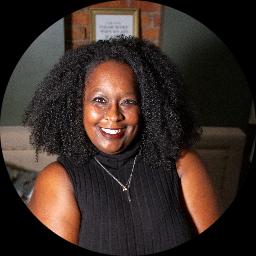
About Ranada
Ranada Dalton is a licensed mental health counselor and life coach in Indiana with 19 years of experience. She blends a warm, client-centered style with practical tools to help people manage relationship struggles, trauma, anxiety, depression, and life changes. She uses clear, respectful language and meets people where they are.
Ranada draws on an array of methods to shape sessions around each person’s needs. She uses Client-Centered Therapy to follow the client’s pace and priorities.
Background and approach
Cognitive Behavioral Therapy helps when patterns of thinking or behavior need to change. Emotionally-Focused and Gottman-informed work guide conversations about connection and intimacy. Her background includes a Bachelor of Science in Psychology and a Master of Arts in Marriage and Family Therapy.
She also practices as a life coach and has experience supporting people through divorce, parenting transitions, blended family issues, and career shifts. This range helps when problems touch more than one part of life. Sessions tend to be interactive and practical.
Ranada often mixes short-term strategies like motivational interviewing with longer-term narrative and trauma-focused approaches. Together the client and therapist shape a plan that fits goals and pace. She works with concerns such as grief, ADHD, bipolar and mood challenges, intimacy and sexual concerns, anger, body image, caregiver stress, and compassion fatigue.
The focus is on helping people feel more able to handle daily life and relationships.
Therapeutic approaches for online relationship and life work
Client-Centered Therapy focuses on listening and following the client’s priorities. It helps when someone needs a respectful, nonjudgmental space to sort out feelings and choices. Cognitive Behavioral Therapy (CBT) looks at patterns of thinking and behavior and offers practical exercises to change what's not working. CBT is helpful for anxiety, depression, sleep problems, and coping with stress.Ranada treats choosing an approach as a team effort. She will talk with the client about goals, try a few methods, and adjust the plan based on what helps most. That collaborative process makes it easier to find tools that actually fit the person’s life and schedule.
Online therapy offers flexible ways to connect. Video calls allow face-to-face conversation when a deeper interaction is useful. Phone sessions can work well when bandwidth is limited or when a shorter check-in is needed. Live chat and text-based messaging let someone send updates, ask quick questions, or check in between sessions. These options make it easier to keep therapy consistent during work, caregiving, travel, or other busy times.
Frequently asked questions
What issues does this therapist help with?
What is Ranada's therapy style like?
What experience does she bring to sessions?
Where is the therapist licensed and located?
Which languages are supported for sessions?
What session formats are available?
How does pricing work for sessions?
How do I begin working with this therapist?
Specialties and expertise
Top specialties
- Relationship issues
- Family conflicts
- Trauma and abuse
Also works with
- ADHD
- Anger management
- Bipolar disorder
- Blended family issues
- Body image
- Career difficulties
- Caregiver issues and stress
- Coaching
- Commitment issues
- Communication problems
- Compassion fatigue
- Control issues
- Coping with life changes
- Depression
- Divorce and separation
- Domestic violence
- Family of origin issues
- Family problems
- Forgiveness
- Grief
- Guilt and shame
- Intimacy-related issues
- Isolation / loneliness
- LGBT
- Life purpose
- Midlife crisis
- Money and financial issues
- Multicultural concerns
- Parenting issues
- Pregnancy and childbirth
- Prejudice and discrimination
- Self esteem
- Self-love
- Sexual assault and abuse
- Sexual dysfunction
- Sexuality
- Sleeping disorders
- Somatization
- Stress, Anxiety
- Women's issues
- Young adult issues
Therapeutic approaches
- Experience
- 19 years
- Licensed
- Indiana, Georgia
- Languages
- English