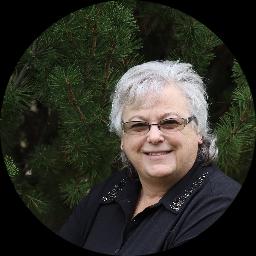
About Rhonda
Rhonda Hinsperger uses a client-centered approach to help people manage stress, anxiety, depression, relationship tensions, and parenting challenges. She is a licensed mental health counselor in Washington and brings eleven years of experience to sessions. Her style is calm and direct, aimed at making it easier to talk about hard things and find workable steps forward.
Rhonda focuses on practical plans tailored to each person’s needs. She helps people cope with grief, trauma and abuse, career transitions, and self-esteem struggles.
Background and approach
She also addresses infidelity, jealousy, veteran and armed forces issues, and personality disorder concerns in individual work. Sessions blend listening with clear tools. Cognitive Behavioral Therapy techniques are used to spot and change unhelpful thoughts and behaviors.
Dialectical Behavior Therapy skills are offered for emotion regulation and distress tolerance. Client-Centered Therapy guides how she builds rapport and respects each person’s pace. Solution-Focused Therapy helps set short-term goals and notice small changes that add up over time.
Rhonda adapts methods to match the person she is meeting with, rather than applying a single model. She offers video calls, phone sessions, live chat, and text-based messaging to fit different schedules. People who want a flexible, compassionate approach and straightforward tools to manage life’s challenges may find her style useful.
How therapeutic approaches translate to online care
Client-Centered Therapy focuses on building a respectful, nonjudgmental relationship and listening closely to what matters to the person. This approach helps people feel heard and guides collaborative goal setting. Cognitive Behavioral Therapy, or CBT, teaches concrete ways to notice and shift thoughts and behaviors that contribute to anxiety, depression, and stress. It is useful when someone wants practical skills and step-by-step change.Choosing the right approach is part of the work together. The therapist will talk with the person about goals, preferences, and what has or hasn’t helped in the past. From that conversation they decide whether CBT, client-centered techniques, DBT skills, or solution-focused steps make the most sense and then customize the plan over time.
Online therapy offers several practical benefits. Video calls let the therapist and client meet face to face for deeper conversation. Phone sessions can be easier when bandwidth or cameras are limited. Live chat and text-based messaging work well for brief check-ins, skill practice, or people who prefer writing. These options make it simpler to fit therapy into busy days, handle follow-up between sessions, and continue care when schedules or locations change.
Frequently asked questions
What kinds of concerns does Rhonda help with?
What is her therapeutic style like?
How long has she been practicing?
Where is she licensed and based?
Which languages are available for sessions?
Can people outside the United States work with her?
What session formats does she offer?
How do costs and scheduling work?
Specialties and expertise
Top specialties
- Stress, Anxiety
- Relationship issues
- Family conflicts
Also works with
- Career difficulties
- Coping with life changes
- Depression
- Grief
- Infidelity
- Jealousy
- Parenting issues
- Personality disorders
- Self esteem
- Trauma and abuse
- Veteran and Armed Forces Issues
Therapeutic approaches
- Experience
- 11 years
- Licensed
- Washington
- Languages
- English