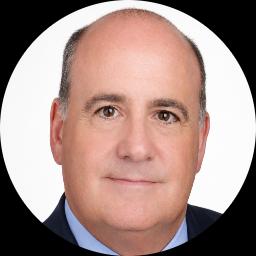
About Richard
Richard Anemone helps people who are struggling with stress, anxiety, addictions, anger, and attention or focus difficulties. He is a licensed mental health counselor in New York with 17 years of experience. He also supports people dealing with panic disorder and panic attacks.
He works in a straightforward, collaborative way. He treats clients as the expert on their own life and looks for strengths to build on. Sessions focus on clear steps you can try between meetings and on what makes sense in your daily life.
Background and approach
Richard draws on evidence-based techniques to ease symptoms and improve day-to-day functioning. He talks through practical strategies for managing anxiety, reducing relapse risk, and handling strong emotions like anger. For attention and focus concerns he helps people develop routines and coping strategies that fit their schedule.
People can expect a calm, direct approach that emphasizes short-term tools and long-term skill building. He sees therapy as a process you shape together, not a set of instructions handed down. The aim is to give useful techniques that you can apply right away and adjust as needed.
Sessions are offered in English and are structured to match individual needs. Richard supports clients through clear goals, measurable steps, and regular check-ins to track progress and make changes when something isn’t working.
Approach and online therapy options
Richard uses evidence-based therapeutic techniques to address anxiety, panic, and addictive behaviors. One common approach focuses on teaching coping skills for anxiety and panic - clients learn calming practices, breathing and grounding exercises, and ways to reduce the intensity of panic attacks over time. Another approach centers on relapse prevention and behavior change for addictions - this involves identifying triggers, building alternative habits, and planning for high-risk moments.Choosing the right approach is a collaborative process. The therapist will work with each person to identify goals, try methods that fit their situation, and adjust strategies based on what works best. Sessions emphasize practical tools and measurable steps so progress can be tracked and changed as needed.
Online therapy is offered through video calls, phone sessions, live chat, or text-based messaging to make care flexible. Video calls allow face-to-face conversation when that helps. Phone sessions use less bandwidth and can fit into a work break. Live chat and messaging are useful for quick check-ins or when shorter, written exchanges are easier to manage. These options make it simpler to attend sessions from different locations and on varied schedules.
Frequently asked questions
What concerns does he address?
What is his therapeutic style?
How much experience does he have?
What are his credentials and where is he located?
Which languages are supported?
What session formats are available?
How does billing and cost work?
How do I begin therapy with him?
Specialties and expertise
Top specialties
- Stress, Anxiety
- Addictions
- Anger management
Also works with
- Experience
- 17 years
- Licensed
- New York
- Languages
- English